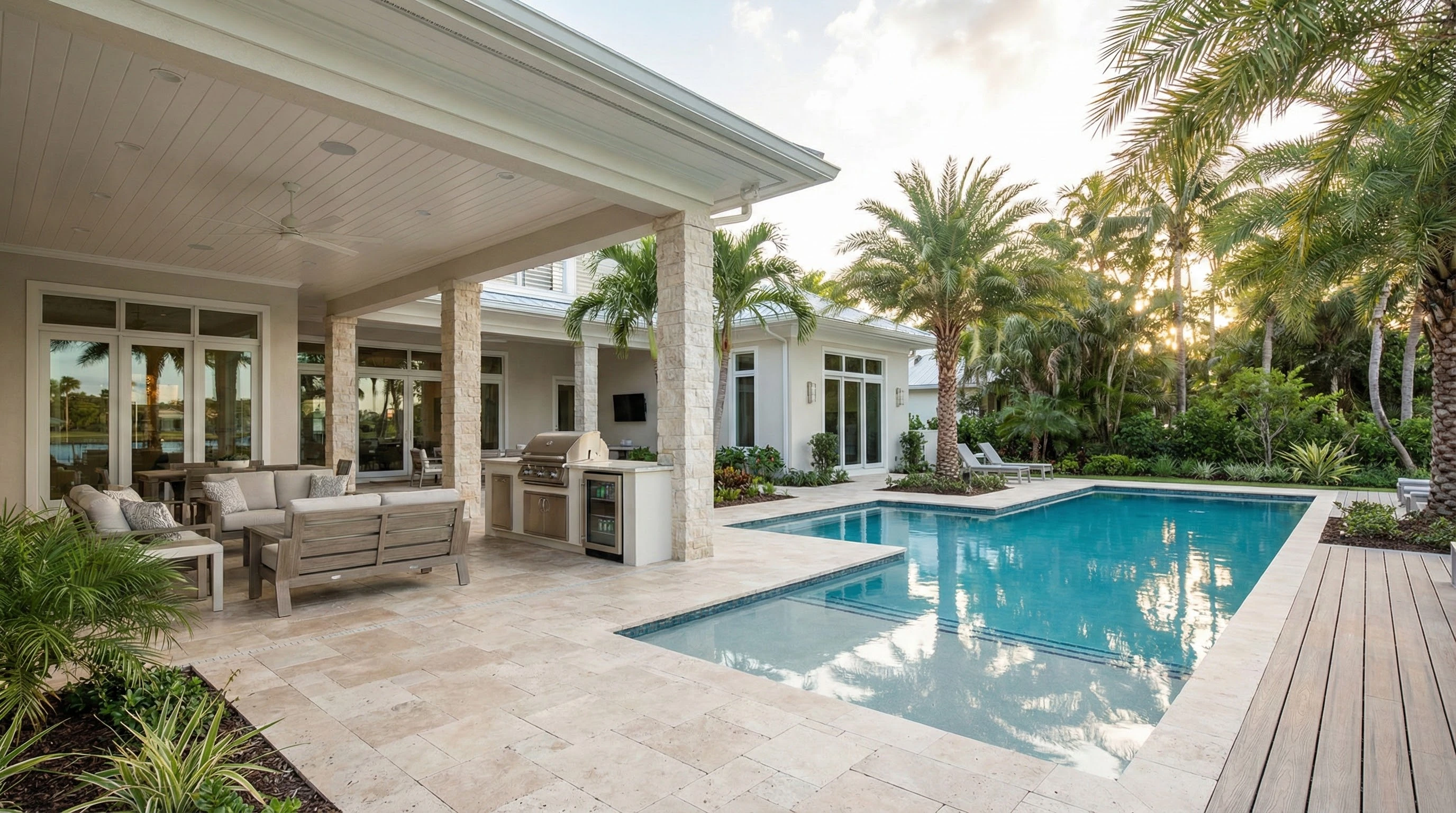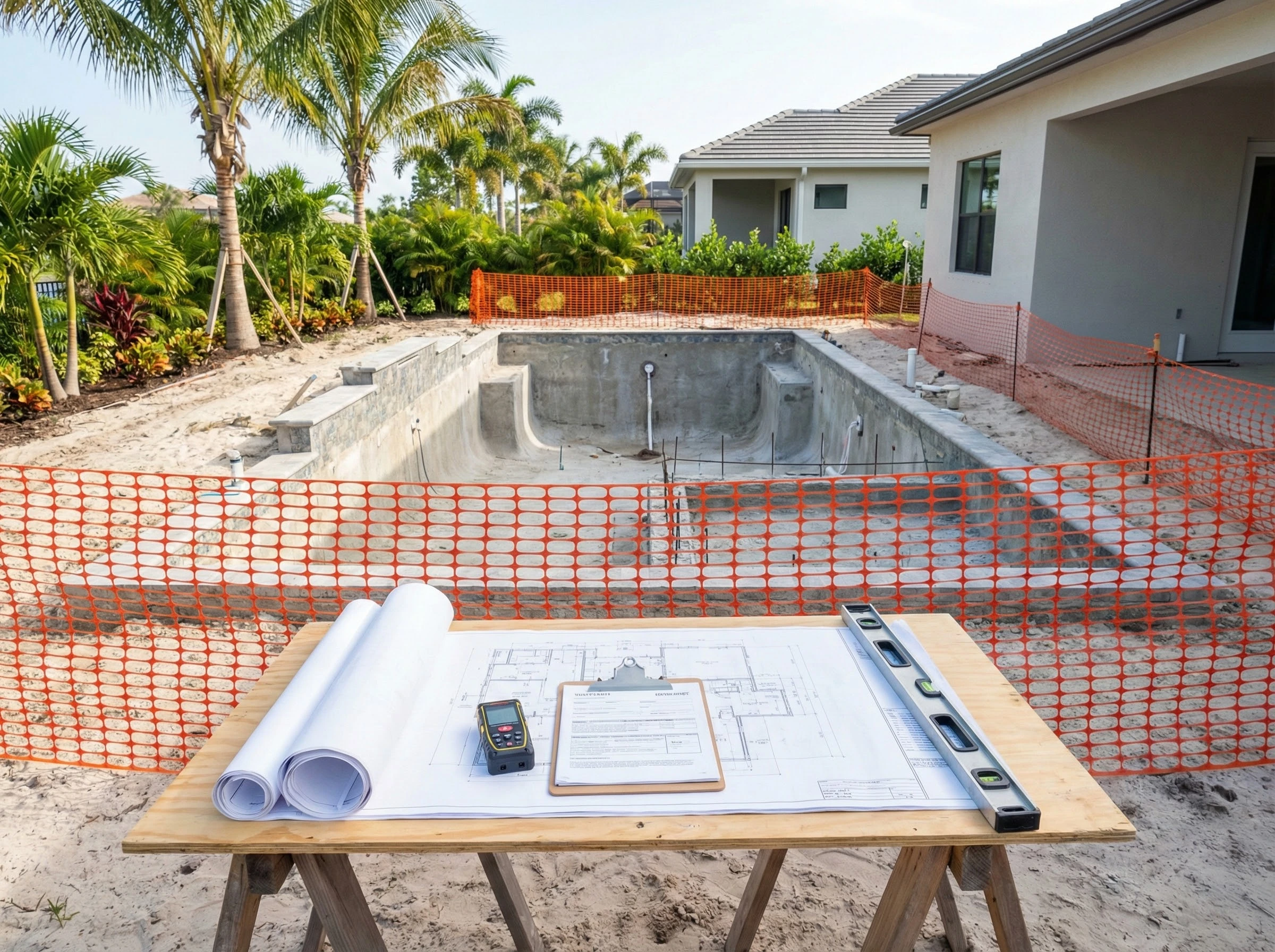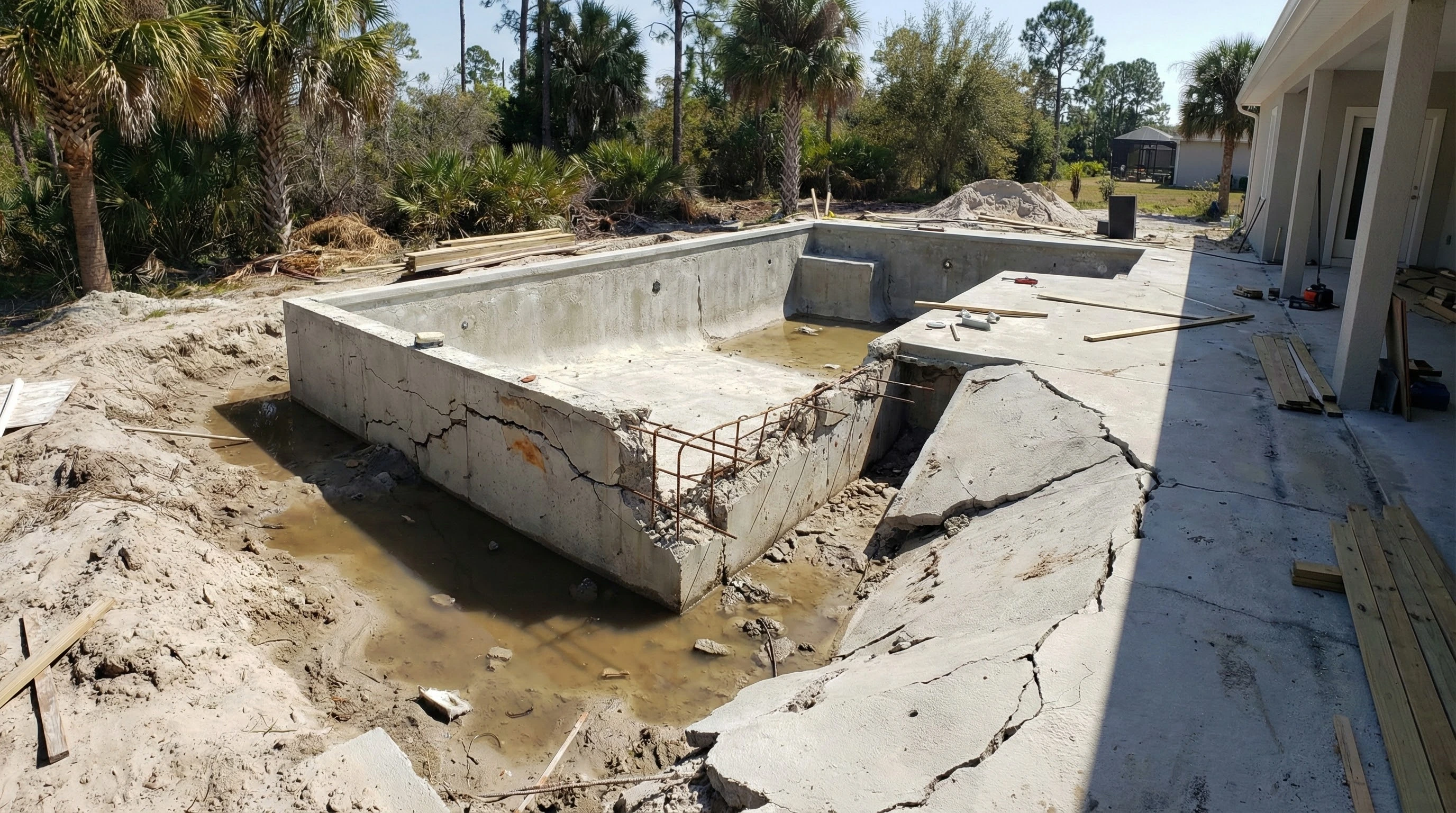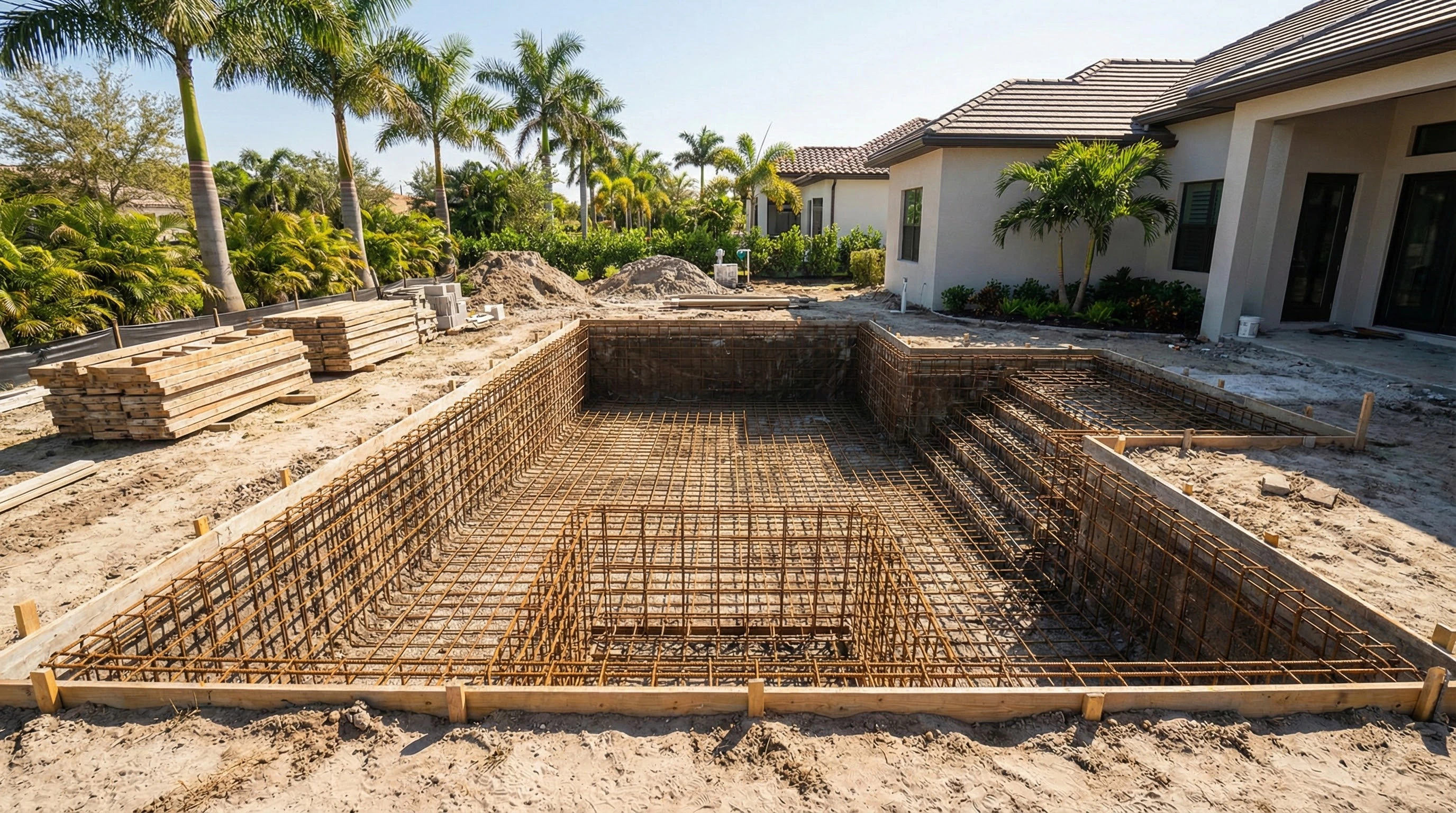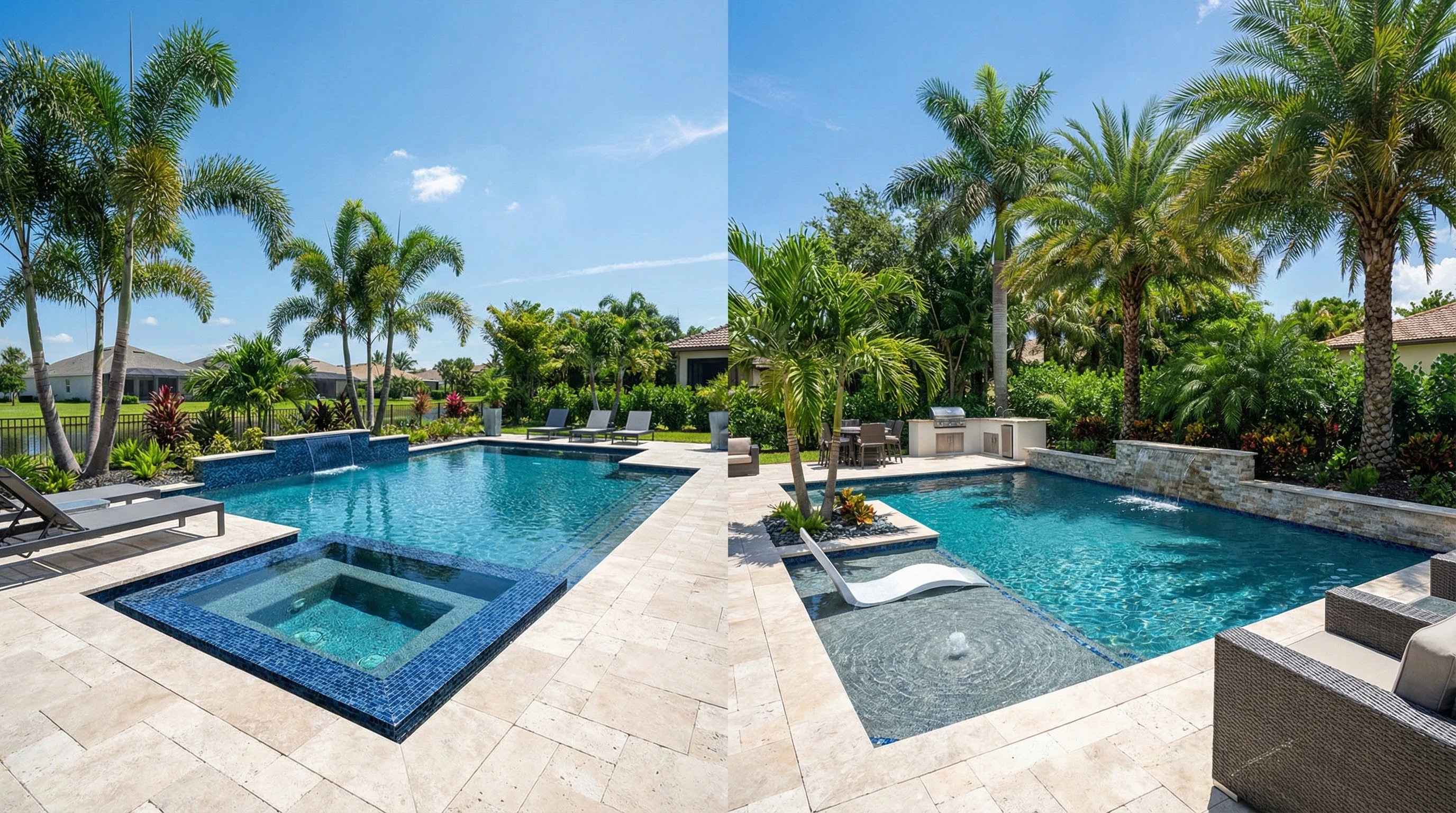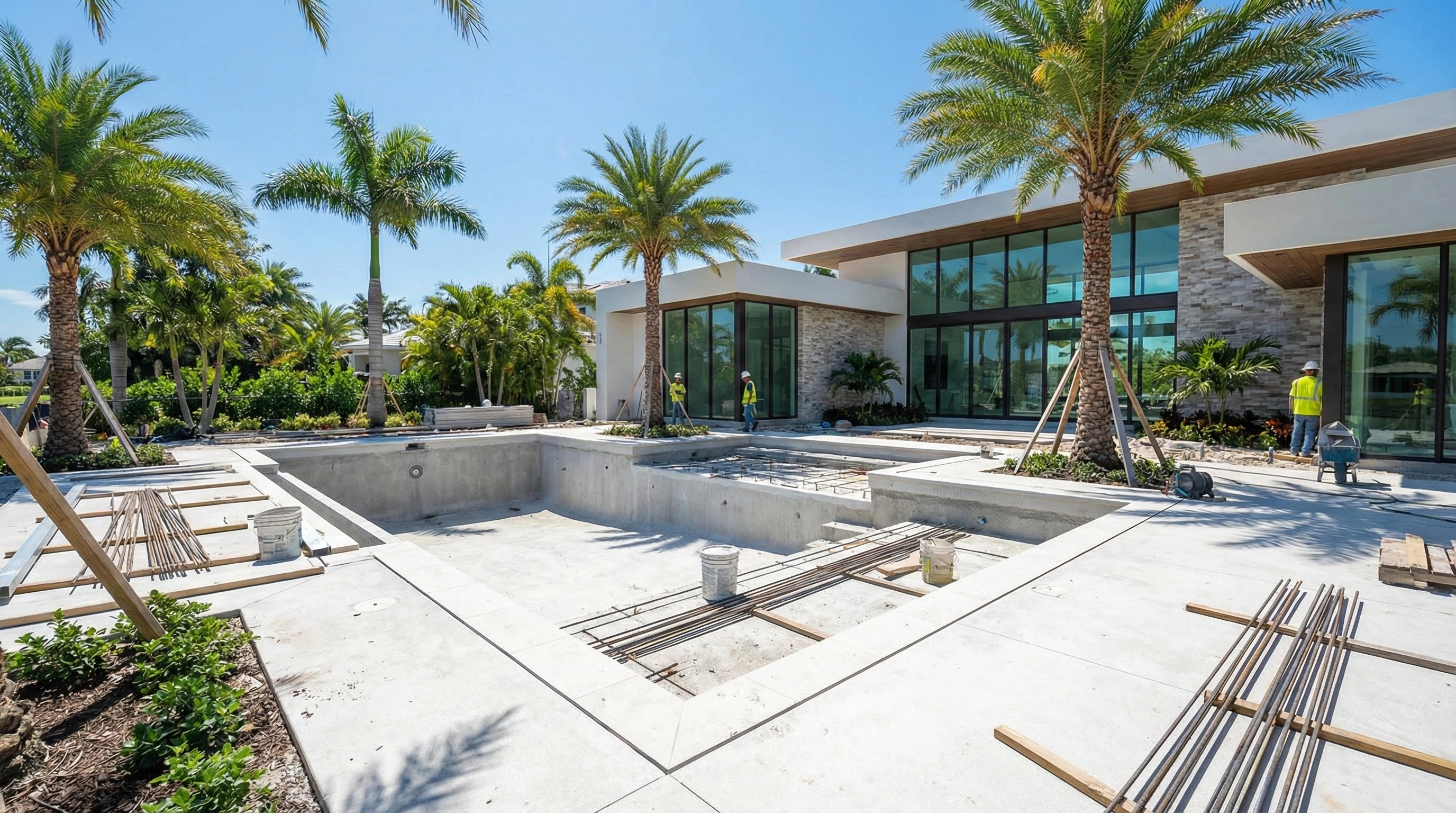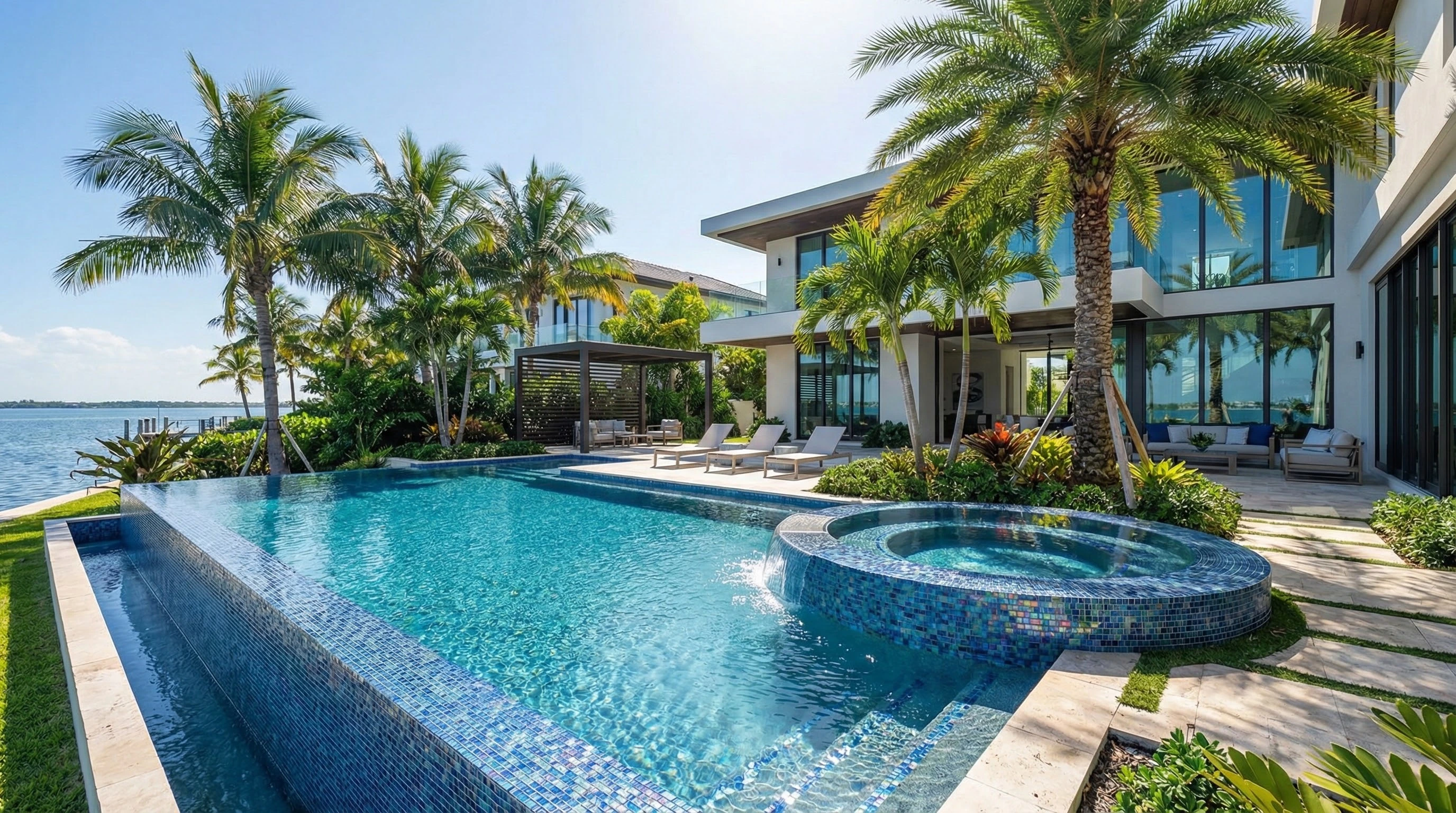
Learn how pool construction works in Florida, including costs, timelines, permits, and climate considerations.
Are you envisioning a private backyard oasis in the sunny climate of Florida? Constructing a pool in this region requires careful consideration of distinct challenges, including hurricanes, sandy soil conditions, and stringent building codes—yet it delivers unparalleled opportunities for year-round enjoyment. This comprehensive guide addresses essential topics such as permitting requirements and pool types, material selections tailored to local climate conditions, realistic cost estimates (beginning at approximately $50,000), typical construction timelines (8-12 weeks), strategies for selecting contractors, prevalent pitfalls to avoid, and effective maintenance practices. Proceed with informed decision-making to ensure successful pool construction Florida.
This complete guide to pool construction Florida provides an in-depth look at the entire process, from initial planning with Florida pool builders to final inspections, covering pool construction cost Florida, pool construction timeline, and key decisions for residential pool construction and commercial pool construction projects. Whether you're considering custom pool construction for an inground pool Florida in areas like Jacksonville pools or Miami pools, understanding pool permits Florida, Florida building codes, and pool investment value is essential for a successful outdoor living Florida enhancement that withstands the state's unique climate challenges. This guide helps you navigate regional differences between North Florida pools and South Florida pools.
Start by selecting a licensed pool contractor Florida who knows local regulations. They guide you through the pool design process, from sketching ideas to choosing materials like concrete pools, fiberglass pools, or vinyl pools. Always verify their license to avoid delays in pool excavation or pool finishes.
Expect variations in pool construction cost Florida based on location, such as higher costs for Naples pools due to premium features. The pool construction timeline typically spans several months, including time for pool permits Florida and pool inspections Florida. Factor in pool equipment like pumps and heaters suited to Florida's weather.
Investing in a pool boosts pool investment value by enhancing your property's appeal for outdoor living Florida. Work with experts to ensure compliance with Florida building codes, protecting your project from hurricanes and humidity. This approach delivers lasting enjoyment.
The pool construction process Florida involves a series of meticulously planned steps starting with the pool design process, followed by pool excavation, structural building using materials like concrete pools or fiberglass pools, installation of pool equipment, and finishing with pool finishes to create durable inground pool Florida installations compliant with local standards.
Florida pool builders guide homeowners through custom pool construction techniques tailored for residential pool construction. They consider factors like soil conditions and Florida building codes during the initial planning. This ensures the pool fits seamlessly into outdoor living Florida spaces.
The process emphasizes safety and longevity, especially for pool permits Florida and inspections. Licensed pool contractors in Florida handle everything from site evaluation to final walkthroughs. Variations occur between North Florida pools and South Florida pools due to climate differences.
Overall, this structured approach maximizes pool investment value for areas like Jacksonville pools, Miami pools, and Naples pools. Homeowners benefit from expert oversight that aligns with local regulations. The result is a high-quality addition to any property.
The key stages of building a pool in Florida include consultation and design, pool excavation, steel and plumbing installation, pouring concrete or setting fiberglass pools or vinyl pools, adding pool equipment, applying pool finishes, and conducting pool inspections Florida to ensure compliance.
The pool design process begins with a consultation where Florida pool builders assess your yard and preferences. They create detailed plans incorporating custom features like spas or waterfalls. This stage typically aligns with the early part of the pool construction timeline and secures pool permits Florida.
After structural work, pool equipment like pumps and filters gets installed, followed by pool finishes such as tiles or plaster. Final pool inspections Florida verify adherence to codes. Timelines vary, with Miami pools often faster due to year-round weather compared to Jacksonville pools.
Obtaining pool permits Florida is a critical first step in any pool construction Florida project, ensuring compliance with stringent Florida building codes that govern safety barriers, electrical systems, and structural integrity for both residential pool construction and commercial pool construction.
The permit application process starts with your licensed pool contractor Florida submitting plans to the local building department. Required documents include detailed site plans, engineering drawings for the inground pool Florida, and proof of compliance with zoning laws. This step helps avoid delays in the pool construction timeline.
Pool inspections Florida occur at key stages like excavation, framing, and final walkthrough to verify adherence to codes. Variations exist for cities such as Jacksonville pools, which emphasize flood zone rules, Miami pools with strict saltwater corrosion standards, and Naples pools focusing on coastal wind loads. A skilled Florida pool builder navigates these differences smoothly.
For custom pool construction, additional approvals may cover unique features like spas or decks. Always consult local authorities early to align with pool construction cost Florida estimates and prevent costly rework during pool excavation or pool finishes.
Florida's building codes significantly impact pool projects by mandating specific requirements for pool barriers, drainage, and wind resistance, directly influencing the design and approval of inground pool Florida installations.
Fencing rules require pool barriers at least four feet high with self-closing gates to prevent child access, a key focus during pool inspections Florida. Electrical grounding protects against shocks, especially for pool equipment like pumps and lights in concrete pools, fiberglass pools, or vinyl pools. These standards ensure safety in outdoor living Florida spaces.
Hurricane standards demand reinforced structures and impact-resistant glass for enclosures, vital for South Florida pools and North Florida pools. Proper drainage prevents flooding, tying into the pool design process for longevity and pool investment value. Experts recommend planning these elements upfront with a licensed pool contractor Florida.
For custom pool construction, codes influence choices in pool finishes and materials to withstand humidity. In areas like Jacksonville pools, extra flood-proofing applies, while Miami pools and Naples pools prioritize corrosion resistance. This compliance streamlines the pool construction timeline and reduces overall pool construction cost Florida.
The main types of pools built in Florida are inground pool Florida options including concrete pools for custom designs, fiberglass pools for quick installation, and vinyl pools for cost-effectiveness, each suited to different aspects of residential pool construction.
Concrete pools allow for fully custom pool construction, with shapes and depths tailored to curved freeform designs popular in outdoor living Florida. They suit pool design process needs in areas like Miami pools or Naples pools. However, they require longer pool construction timeline due to curing times.
Fiberglass pools come pre-molded for faster pool excavation and installation, ideal for North Florida pools or Jacksonville pools where quick setups matter. They resist algae better in humid climates but limit size options. Florida pool builders often recommend them for balanced pool construction cost Florida.
Vinyl pools offer smooth pool finishes at lower upfront costs, fitting budget-conscious pool investment value in South Florida pools. They work well for commercial pool construction like hotel spas but may need liner replacements over time. All types require pool permits Florida and licensed pool contractor Florida oversight.
Inground pools in Florida, such as concrete pools and fiberglass pools, offer permanent, customizable luxury integrated into the landscape, while above-ground pools provide a more affordable, temporary alternative with lower pool construction cost Florida.
Inground pool Florida options excel in durability, built with reinforced materials to withstand hurricanes under Florida building codes. They enhance outdoor living Florida through seamless yard integration, like lagoon-style concrete pools in Naples pools. Above-ground models sit on surfaces, easier for pool inspections Florida but less sturdy long-term.
Aesthetics favor inground for pool construction Florida, blending with patios and landscaping in residential pool construction. Above-ground pools look more utilitarian, often framed by decks, suiting quick setups in Jacksonville pools. Pool equipment integration is smoother underground, avoiding visible pumps.
Compliance differs too, as inground demands stricter pool permits Florida and barriers per codes, raising initial costs but boosting property value. Above-ground skips deep pool excavation, cutting pool construction timeline, yet may not meet all commercial pool construction standards. Experts recommend inground for lasting pool investment value in humid Florida.
The best materials for pool construction in Florida include concrete pools for versatility, fiberglass pools for low maintenance, and vinyl pools for budget options, complemented by durable pool finishes and reliable pool equipment. Concrete pools allow custom pool construction with shapes and depths tailored to residential or commercial needs. Florida pool builders often recommend them for inground pool Florida projects in areas like Jacksonville pools or Miami pools.
Fiberglass pools offer smooth surfaces that resist algae, making them ideal for pool construction timeline efficiency since they install faster than poured concrete. Vinyl pools provide an affordable entry for pool construction cost Florida, though they require liner replacements over time. Pair any shell with quality pool finishes like pebble or tile to enhance durability and aesthetics.
Pool equipment such as pumps, filters, and heaters must withstand Florida's conditions, with salt-chlorine systems popular for corrosion resistance. Experts recommend consulting a licensed pool contractor Florida to match materials to site-specific factors like soil during pool excavation. This approach boosts pool investment value for North Florida pools or South Florida pools.
For pool design process, integrate outdoor living Florida elements like decks around concrete pools for seamless entertaining spaces. Vinyl options suit tighter budgets in Naples pools, while fiberglass excels in custom features. Always verify compliance with Florida building codes through pool permits Florida and inspections.
Florida's hot, humid climate and hurricane risks heavily influence pool material choices, favoring UV-resistant concrete pools, crack-resistant fiberglass pools over vinyl pools that degrade faster. Intense sun exposure fades colors and weakens liners, so Florida pool builders prioritize materials with strong UV protection. Salt air near coasts accelerates corrosion, affecting pool equipment like heaters and ladders.
Concrete pools endure high humidity and ground shifts from heavy rains, making them suitable for residential pool construction in hurricane-prone zones. Fiberglass shells flex without cracking under wind loads, shortening pool construction timeline and reducing pool excavation disruptions. Vinyl liners, however, blister or tear from prolonged heat, demanding frequent upkeep.
Florida building codes mandate wind-resistant designs, influencing pool finishes like aggregated plaster over basic paint for better adhesion in humid air. For outdoor living Florida enhancements, select salt-tolerant equipment to pair with concrete surrounds in Miami pools. Pool inspections Florida ensure these choices meet standards.
Custom applications shine in commercial pool construction, where fiberglass resists chemical imbalances from heavy use in Jacksonville pools. Opt for darker pool finishes that hide sun-bleached spots in Naples pools. A licensed pool contractor Florida assesses local microclimates to optimize longevity and pool investment value.
Pool construction cost Florida varies widely, typically ranging from $50,000 to $150,000 for residential pool construction and higher for commercial pool construction, influenced by size, type, and features that enhance pool investment value.
Residential pool construction often focuses on inground pool Florida options like concrete pools, fiberglass pools, or vinyl pools. Custom designs for outdoor living Florida add to expenses. Miami pools tend to cost more due to complex site work, while Naples pools benefit from calmer conditions.
Commercial pool construction demands stricter adherence to Florida building codes, driving up prices for larger scales and safety features. Jacksonville pools in North Florida may see lower costs from easier access. South Florida pools face higher labor rates and material transport fees.
Understanding pool investment value helps balance costs with long-term enjoyment. Features like pool finishes and decking boost appeal. Consulting Florida pool builders early reveals regional differences in pool construction cost Florida.
Key factors influencing pool construction cost Florida include site preparation like pool excavation, custom pool construction designs, material choices, pool permits Florida fees, and add-ons like decking.
Pool excavation varies by soil type and yard slope, especially challenging in rocky North Florida pools. Custom pool construction for unique shapes increases labor hours. Miami pools often require extra reinforcement against shifting sands.
Pool permits Florida and inspections ensure code compliance, with fees higher in urban areas like Jacksonville pools. Labor from licensed pool contractor Florida impacts budgets. Planning the pool design process minimizes surprises in custom pool construction.
The average pool construction timeline in Florida spans 8-12 weeks, encompassing pool excavation, construction, pool equipment installation, and pool inspections Florida, depending on the licensed pool contractor Florida and weather.
Initial phases cover pool excavation and forming, taking 1-2 weeks for standard inground pool Florida projects. Delays arise in South Florida pools from frequent rains. Licensed pool contractor Florida coordinates permits swiftly.
Naples pools often finish faster due to steady weather, unlike Miami pools prone to hurricane season holdups. Hiring experienced Florida pool builders streamlines the pool design process. This timeline supports timely outdoor living Florida enhancements.
The steps in the Florida pool construction process begin with consultation and pool design process, proceed through pool excavation and forming, shell installation for concrete pools, fiberglass pools, or vinyl pools, then plumbing, electrical, pool finishes, and final pool inspections Florida. Florida pool builders follow strict Florida building codes to ensure safety in residential and commercial projects. This sequence helps manage pool construction timeline and costs effectively.
Initial consultation involves discussing your vision for inground pool Florida, whether for outdoor living Florida or family use. Builders review site conditions and pool permits Florida requirements. Experts recommend sketching ideas early to align with custom pool construction.
Pool excavation follows approval, where crews dig the precise shape using heavy equipment. For concrete pools, forming creates the structure before pouring gunite or shotcrete. Fiberglass pools involve setting a pre-molded shell, while vinyl pools use panels and liners.
Next, install pool equipment like pumps and filters, plus plumbing and electrical systems. Apply pool finishes such as tile, plaster, or pebble for durability in Florida's climate. Final pool inspections Florida confirm compliance before filling and startup.
To choose a pool contractor in Florida, prioritize licensed pool contractor Florida credentials, review portfolios from Florida pool builders specializing in Jacksonville pools, Miami pools, or Naples pools, and verify references for custom pool construction expertise. Look for proof of insurance to protect against job-site accidents. This step impacts pool construction cost Florida and quality.
Check for experience with local Florida building codes, especially in North Florida pools or South Florida pools. Ask about past projects like sprawling Miami resort pools or cozy Jacksonville backyards. A good contractor shares detailed pool construction timeline estimates upfront.
Visit completed sites to assess pool construction Florida investment value and finish quality. Discuss warranties for pool equipment and long-term maintenance. Choosing wisely ensures smooth residential pool construction or commercial pool construction.
Common challenges in Florida pool construction include navigating pool permits Florida, adhering to Florida building codes, soil issues affecting North Florida pools pool excavation versus rocky conditions in South Florida pools, and weather delays impacting pool construction timeline.
Permitting processes can extend the pool design process as local authorities review plans for inground pool Florida projects. Homeowners often face backlogs, especially for residential pool construction in busy areas like Jacksonville pools or Miami pools. Experts recommend starting early to avoid surprises.
Climate plays a big role too, with frequent rain and hurricanes disrupting custom pool construction. Soil in North Florida pools tends to be sandy and unstable, complicating concrete pools or fiberglass pools, while South Florida pools' limestone requires heavy machinery for pool excavation. These factors influence pool construction cost Florida and overall timeline.
Hiring a licensed pool contractor Florida helps mitigate these issues through their knowledge of pool inspections Florida and local regulations. They can adjust schedules for weather and select appropriate methods for vinyl pools or other types. This approach ensures smoother outdoor living Florida enhancements.
Obtaining pool permits Florida involves submitting detailed plans that meet strict Florida building codes. These codes cover safety features like barriers and electrical grounding for pool equipment. Delays often occur if plans lack specifics on pool finishes or drainage.
For commercial pool construction, additional approvals from health departments add layers. In areas like Naples pools, zoning rules further complicate the process. A licensed pool contractor Florida streamlines paperwork and ensures compliance.
To mitigate, gather site surveys and engineering reports upfront. Schedule pre-application meetings with officials to clarify requirements. This cuts down wait times in the pool construction timeline.
North Florida pools, such as those in Jacksonville pools, deal with expansive clay soils that shift during pool excavation. This risks cracks in concrete pools if not stabilized properly. Contractors use shoring techniques to prevent collapses.
In contrast, South Florida pools like Miami pools face hard coral rock, demanding blasting or specialized drills. This increases pool construction cost Florida but provides a stable base. Soil testing early reveals these challenges.
Mitigation comes from geotechnical assessments by experienced Florida pool builders. They choose fiberglass pools for sandy areas or reinforced designs for rocky ones. Proper planning preserves pool investment value.
Florida's rainy season and hurricane risks often pause pool construction cost Florida timeline, especially for pool finishes and pool equipment installation. Wet ground halts excavation, pushing projects back weeks. Summer storms add frequent interruptions.
North Florida sees more prolonged rains, while South Florida contends with intense heat and sudden downpours. These affect all types, from vinyl pools to custom pool construction. Flexible scheduling is key.
A licensed pool contractor Florida builds in buffer time and uses weather-resistant materials. They monitor forecasts and prioritize indoor tasks like plumbing during storms. This keeps inground pool Florida projects on track.
Maintenance tips for new pools in Florida focus on regular cleaning of pool finishes for outdoor living Florida, monitoring pool equipment like pumps and filters, balancing chemicals for inground pool Florida in humid conditions, and protecting your pool investment value to maximize outdoor living Florida enjoyment.
Freshly built pools from Florida pool builders need weekly checks to prevent algae growth common in the state's warm climate. Test pH levels and adjust with stabilizers to keep water clear. This routine extends the life of concrete pools, fiberglass pools, or vinyl pools.
Pool equipment such as pumps and heaters requires monthly inspections during pool construction timeline recovery. Clean filters to maintain circulation and listen for unusual noises. Proper care aligns with Florida building codes and boosts pool investment value.
Maintain chemical balance in your inground pool Florida by testing water twice weekly. Use kits to monitor chlorine, pH between 7.2 and 7.8, and alkalinity. Humid air accelerates chemical depletion, so adjust dosages promptly.
For custom pool construction in areas like Miami pools or Jacksonville pools, add stabilizers to protect against UV breakdown. Examples include shocking the pool after heavy rain. This prevents skin irritation and cloudy water.
Experts recommend calcium hardness checks for concrete pools to avoid scaling. Balance saves on pool construction cost Florida over time. Consistent monitoring enhances outdoor living Florida safety.
Regular cleaning routines protect pool finishes on new residential pool construction. Skim surface debris daily and vacuum weekly using soft brushes. Avoid abrasive tools on fiberglass pools or vinyl pools to prevent scratches.
In South Florida pools like Naples pools, rinse tiles monthly to combat mineral buildup. Empty skimmer baskets and clean ladders. These steps preserve the look from the pool design process.
Vacuum from the shallow end to deep, letting dirt settle in the main drain. This practice maintains clarity and supports pool investment value. Pair with pool permits Florida compliance for inspections.
Inspect pool equipment monthly, checking pumps for leaks and filters for clogs. Lubricate o-rings and backwash sand filters as needed. This keeps systems efficient post-pool construction Florida.
For North Florida pools, winterizing involves lowering water levels and adding antifreeze to lines. Cover the pool and run the blower to remove moisture. Even mild winters benefit from this protection.
Store chemicals properly and drain solar heaters. Annual servicing by Florida pool builders catches issues early. These habits extend equipment life and reduce commercial pool construction repair costs.
The Complete Guide to Pool Construction in Florida: Costs, Timeline & Process is an in-depth resource covering everything from initial planning to completion for residential and commercial pools. It details the step-by-step process for inground pool Florida, average pool construction cost Florida (ranging from $50,000–$150,000 for inground pools), typical timelines (8–12 weeks), required permits from local Florida authorities, popular materials like concrete, fiberglass, and vinyl, and key decisions such as pool shape, size, and features like spas or lighting.
Costs in the Complete Guide to Pool Construction in Florida: Costs, Timeline & Process vary by type: fiberglass pools start at $50,000–$80,000, vinyl at $40,000–$70,000, and concrete (gunite) at $80,000–$150,000+. Factors include size, depth, finishes, decking, equipment (pumps, heaters), and Florida-specific additions like salt chlorinators for hurricane-prone areas. Expect 10–20% extra for pool permits Florida, excavation, and utilities.
The Complete Guide to Pool Construction in Florida: Costs, Timeline & Process breaks down the timeline into phases: planning/permits (2–6 weeks), excavation and plumbing (1–2 weeks), steel/reinforcing and gunite (1 week), electrical and decking (2–3 weeks), and finishing/tile (1–2 weeks), totaling 8–12 weeks for most projects. Delays can occur due to Florida's rainy season, pool inspections Florida, or supply chain issues.
According to the Complete Guide to Pool Construction in Florida: Costs, Timeline & Process, Florida requires building permits from county/city offices, electrical permits, zoning approval, and compliance with Florida building codes (including wind-load standards for hurricanes). Homeowner association (HOA) approvals may apply, plus barrier requirements like fences or screens under Florida's Residential Swimming Pool Safety Act.to enhance outdoor living Florida.
The Complete Guide to Pool Construction in Florida: Costs, Timeline & Process recommends concrete/gunite for custom designs (durable in Florida's climate), fiberglass for quick installs and low maintenance, and vinyl liner for budget options. It emphasizes UV-resistant finishes, corrosion-proof equipment for saltwater systems from a licensed pool contractor Florida, and pavers or travertine for decks to handle heat and humidity.
Key decisions in the Complete Guide to Pool Construction in Florida: Costs, Timeline & Process include pool type for North Florida pools and South Florida pools (inground vs. above-ground), size/shape, features (waterfalls, heaters for year-round use), safety barriers, energy-efficient systems (variable-speed pumps), and landscaping integration. For commercial projects like Jacksonville pools, Miami pools, or Naples pools, consider ADA compliance, higher traffic durability, and liability insurance specifics.