Compare new pool construction and pool remodeling to choose the best option for your budget, timeline, and property goals.
Is a stunning new pool worth the investment, or can a remodel transform your backyard oasis affordably?
Homeowners face this pivotal choice, balancing budget, disruption, and long-term value. This article dives into new pool construction benefits, costs, and timelines versus remodeling customization, expenses, and durations-plus a direct comparison, property assessment, and decision checklist.
Discover which path elevates your property.
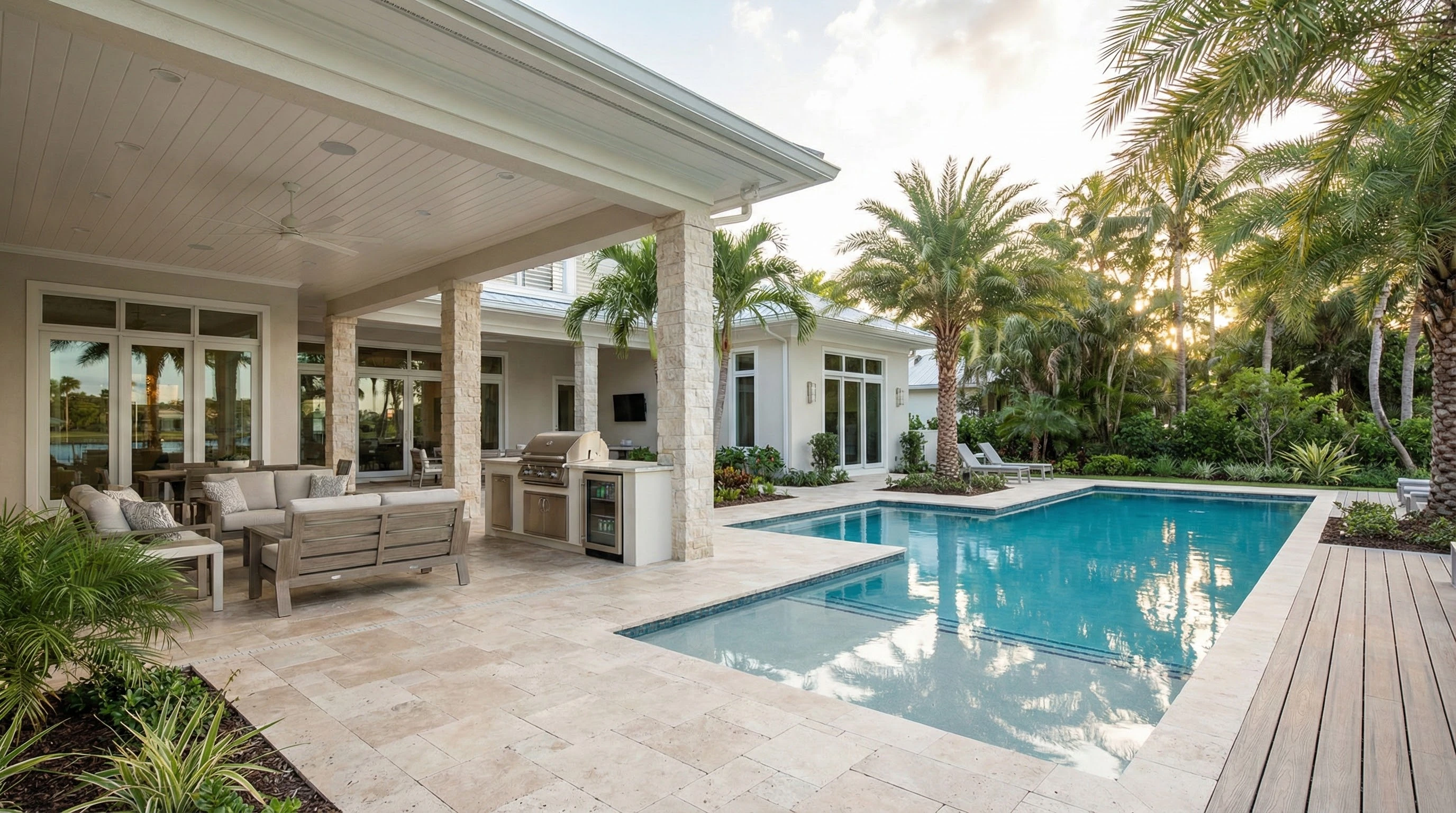
New pool construction transforms backyards into functional backyard oases, with inground pools averaging $50,000-$120,000 depending on size and materials like concrete, fiberglass, or vinyl liner. This process involves full excavation work, securing permits, and selecting pool materials. Homeowners choose from pool types such as lap pools or play pools, sizes from 400-800 sq ft, and features like water features or spa additions.
Key decision points include pool shape options like geometric or freeform designs, depth variations, and integration with landscape features such as pavers deck or retaining walls. Pool builders guide selections for pool plumbing, filtration systems, and energy-efficient options like solar heating. Consider soil conditions, zoning laws, and HOA rules early to avoid delays.
Once plans are set with 3D pool design tools, the pool installation begins, creating a custom pool design tailored to your lifestyle. This contrasts with pool remodeling, which updates existing structures. New builds offer complete control over aesthetic appeal and functionality.
Experts recommend consulting a pool contractor for engineering plans and contractor reviews. Proper planning ensures long-term value and minimizes issues like utility relocation or drainage systems. This foundation leads to benefits, costs, and timelines detailed below.
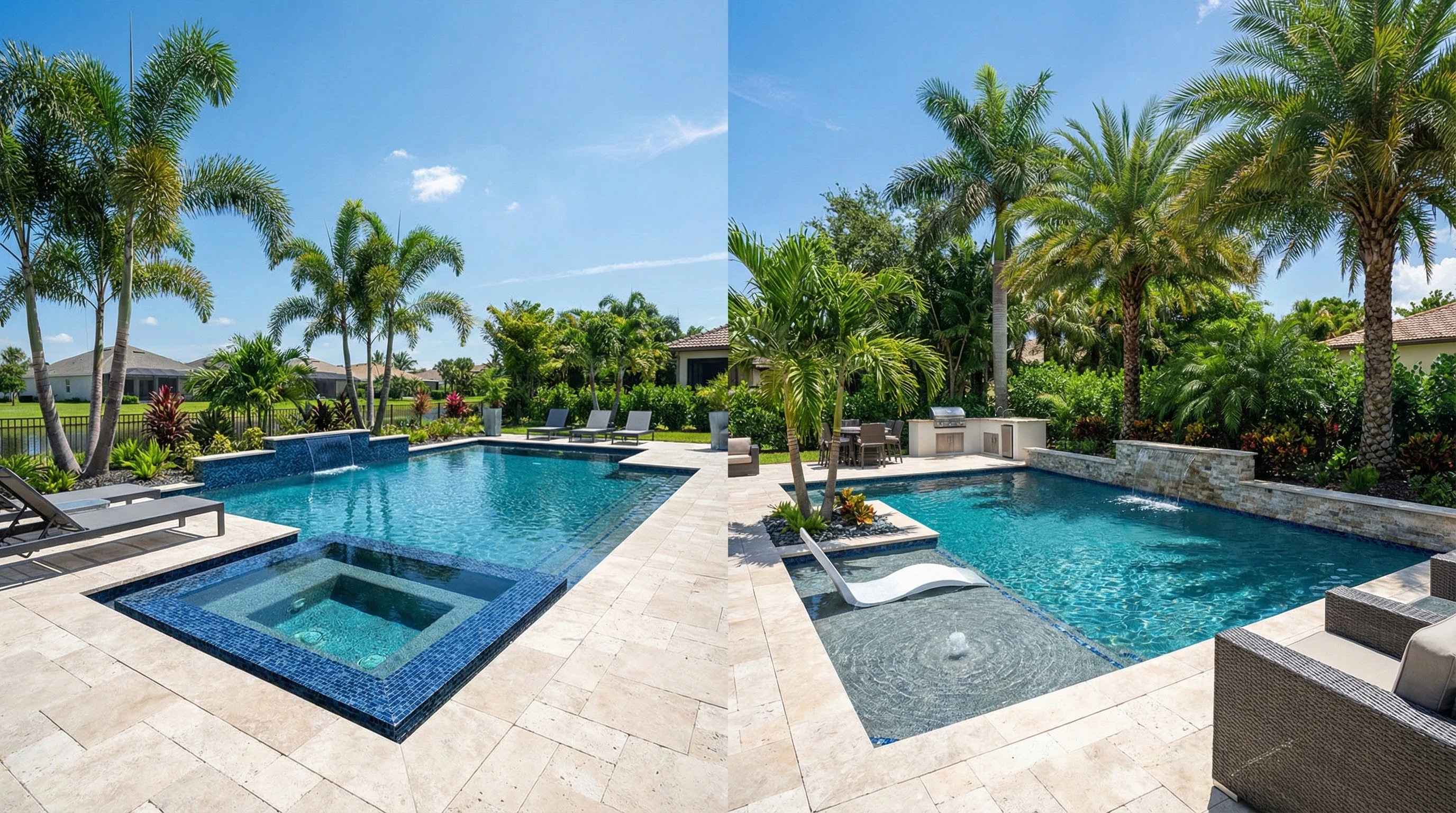
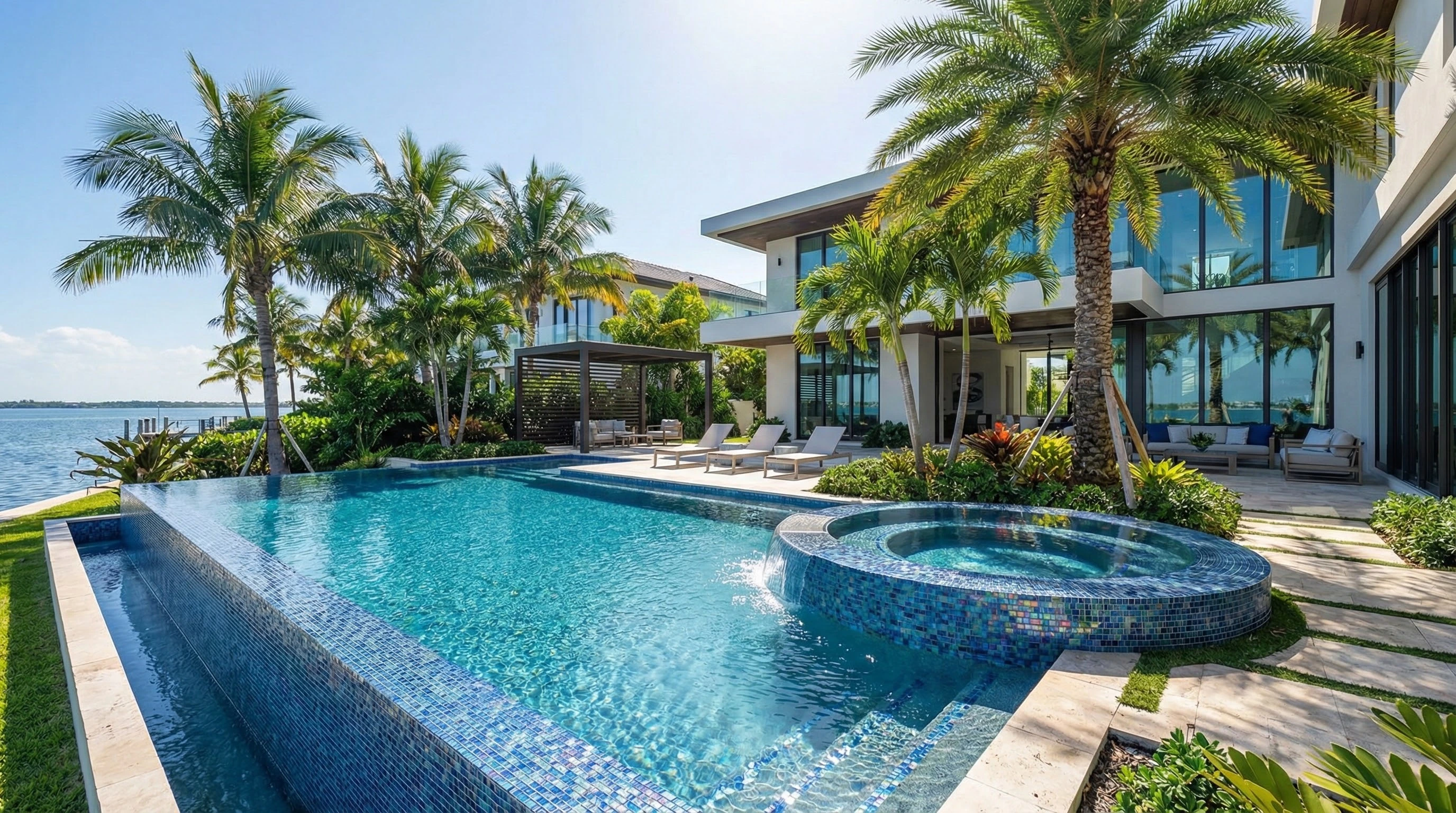
New pools boost property value with custom features like infinity edges adding significant premium, as homeowners seek lifestyle upgrades. They provide full custom design freedom, allowing infinity edges, tanning ledges, or spa additions tailored to your yard's slope. This creates a personalized swimming pool for family entertainment and outdoor living.
Energy-efficient pools incorporate solar heating or salt water systems, reducing ongoing maintenance costs over time. Long warranties on materials like concrete ensure durability for decades. Pool automation and smart pool systems add convenience with remote control for lighting and heating.
Key benefits include:
These advantages make new pool construction ideal for properties needing a fresh pool ownership experience, far surpassing basic pool renovation limits.
Basic 14x28 ft concrete inground pool costs $65,000-$85,000 installed, while fiberglass drops to $50,000-$70,000 for quicker setups. Costs vary by pool materials and features, with add-ons like pool heating or automation ranging $10,000-$25,000. Budget planning involves comparing bids and considering regional variations, such as higher prices in coastal areas.
Vinyl liner pools offer affordability, while above ground pools suit tighter budgets. Factor in extras like mosaic tiles, natural stone coping, or pebble finish for luxury appeal. Experts recommend professional installation over DIY for structural integrity.
Pool TypeCost RangeKey FeaturesTimelineConcrete$65K-$120KCustom shapes8-12 weeksFiberglass$50K-$80KQuick install4-6 weeksVinyl Liner$40K-$65KBudget-friendly6-8 weeksAbove Ground$5K-$15KFastest setup1-2 weeks
Pool financing options and insurance impact should inform your cost comparison. Sustainable choices like eco-friendly greywater systems can offset long-term expenses. Always review pool warranties and maintenance costs upfront.
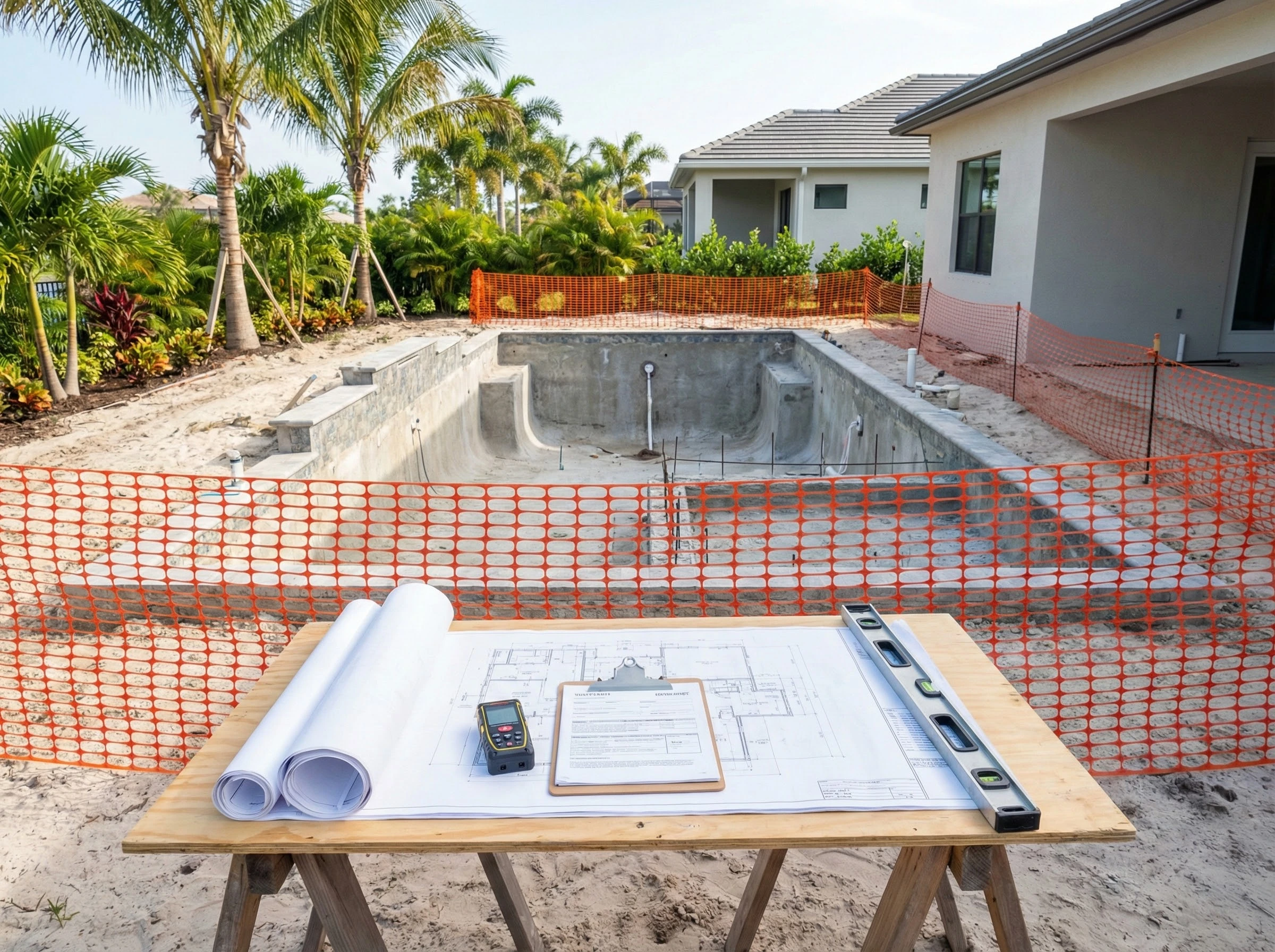
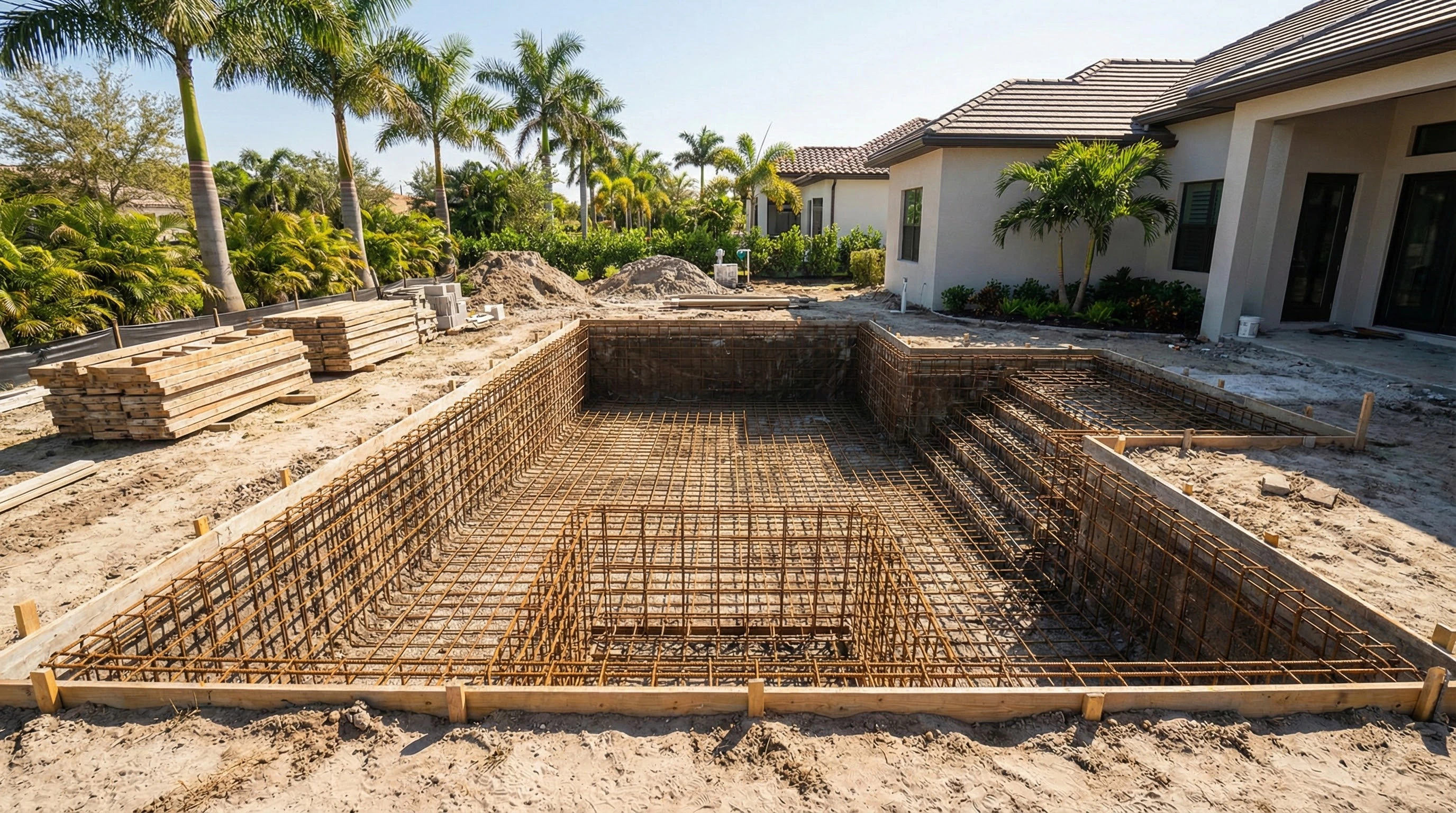
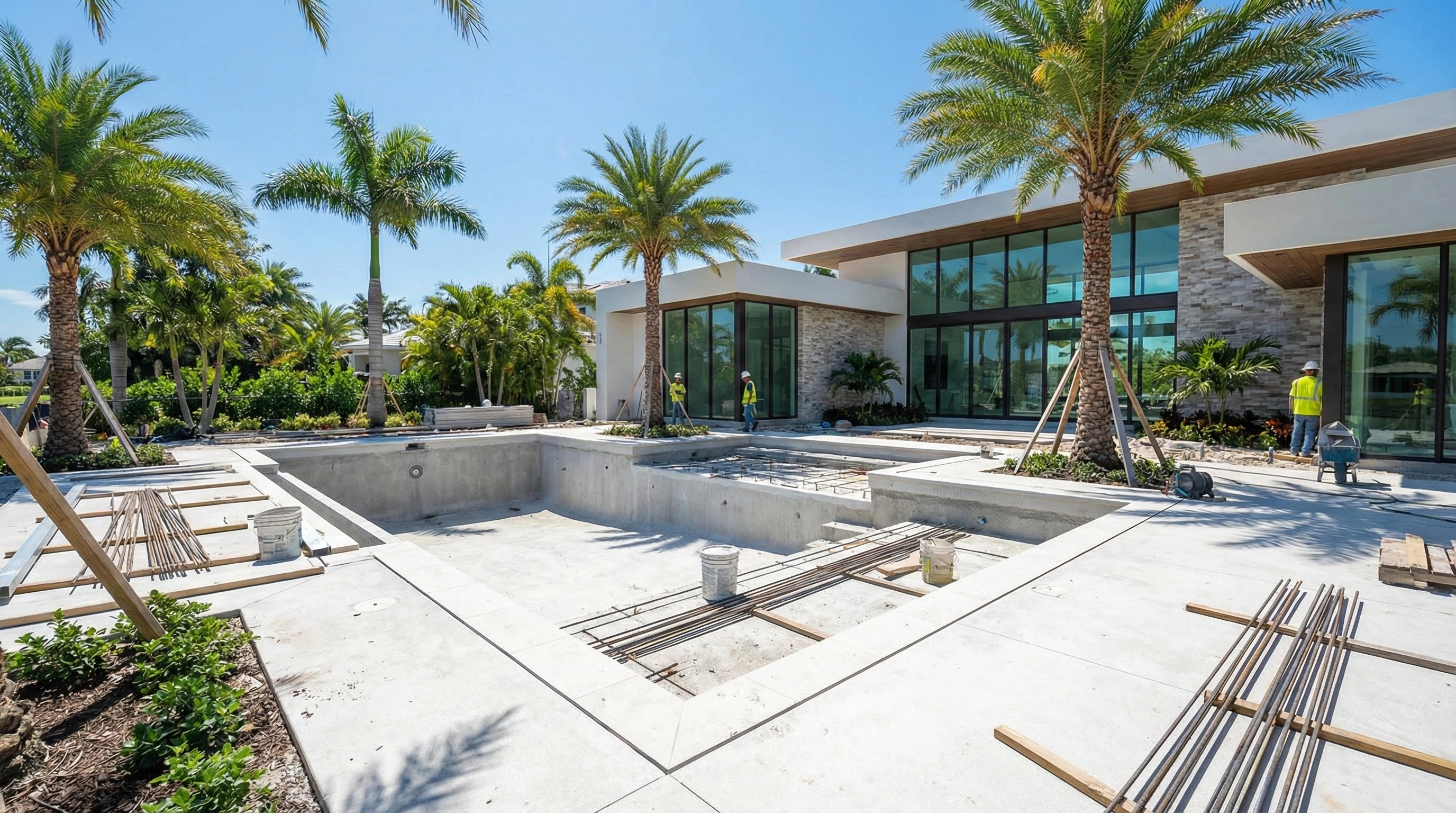
New pool construction spans 8-16 weeks total, with excavation work (1-2 weeks) causing most disruption including multiple truckloads of dirt removal. Crews work 6-8 hours daily, generating noise, dust, and access issues. Temporary fencing is often required for pool safety during the build.
A typical timeline follows this order:
Pro tips include scheduling in spring for seasonal considerations, notifying neighbors in week 1, and planning for utility relocation. Hire experienced project management to handle pool inspections and delays from weather or permits pools. This structured approach minimizes impact on daily life.
Pool remodeling revitalizes existing pools at 30-50% lower cost than new pool construction. It focuses on resurfacing, feature additions, and efficiency upgrades for pools aged 15-30+ years with surface degradation, leaks, or outdated aesthetics. Common projects include plaster replacement, tile upgrades, LED lighting, and heating systems, with average budgets of $15K-$50K transforming functionality and appearance.
These updates turn a worn inground pool into a modern backyard oasis without the extensive excavation work of pool installation. Homeowners often choose pool remodeling to boost property value and create custom pool designs tailored to family entertainment. A pool contractor can assess structural integrity and recommend options like pool automation or energy efficient pools.
Remodeling suits properties with HOA rules or zoning laws that limit new builds. It enhances aesthetic appeal and lifestyle upgrades, such as adding water features or spa additions. Experts recommend planning for pool warranties and long term value during the process.
Compared to new build pools, remodeling minimizes disruption and maintenance costs. Options like pebble finish or smart pool systems connect with landscape for outdoor living. This approach offers high ROI pools through improved resale value and daily enjoyment.
Transform dated pools with 20+ upgrade options including pebble tec finishes ($12K), LED lighting systems ($5K), and tanning ledges ($8K). These changes modernize the swimming pool while respecting the original concrete pool or fiberglass pool structure. Homeowners can create a custom pool design that fits their pool shape, from geometric design to freeform pool styles.
Popular remodel options include:
Before remodeling, a faded plaster finish with cracked tiles might look dull. After, imagine vibrant mosaic tiles and glowing LED lights creating a tropical paradise. These upgrades enhance pool safety with child safety features like pool fencing integration.
Full pool resurfacing averages $10,000-$20,000 for 400 sq ft surface, while comprehensive remodels range $25K-$60K. Costs vary by pool size, materials like pebble finish or vinyl liner pool updates, and features such as pool heating. Budget planning helps compare remodeling expenses to construction costs for new pool construction.
CategoryPercentageTypical RangeSurface finishing40%$8K-$15KEquipment upgrades25%$6K-$12K (pumps/heaters)Tile/coping20%$5K-$10KLighting/automation10%$3K-$6KDecking5%$2K-$5K
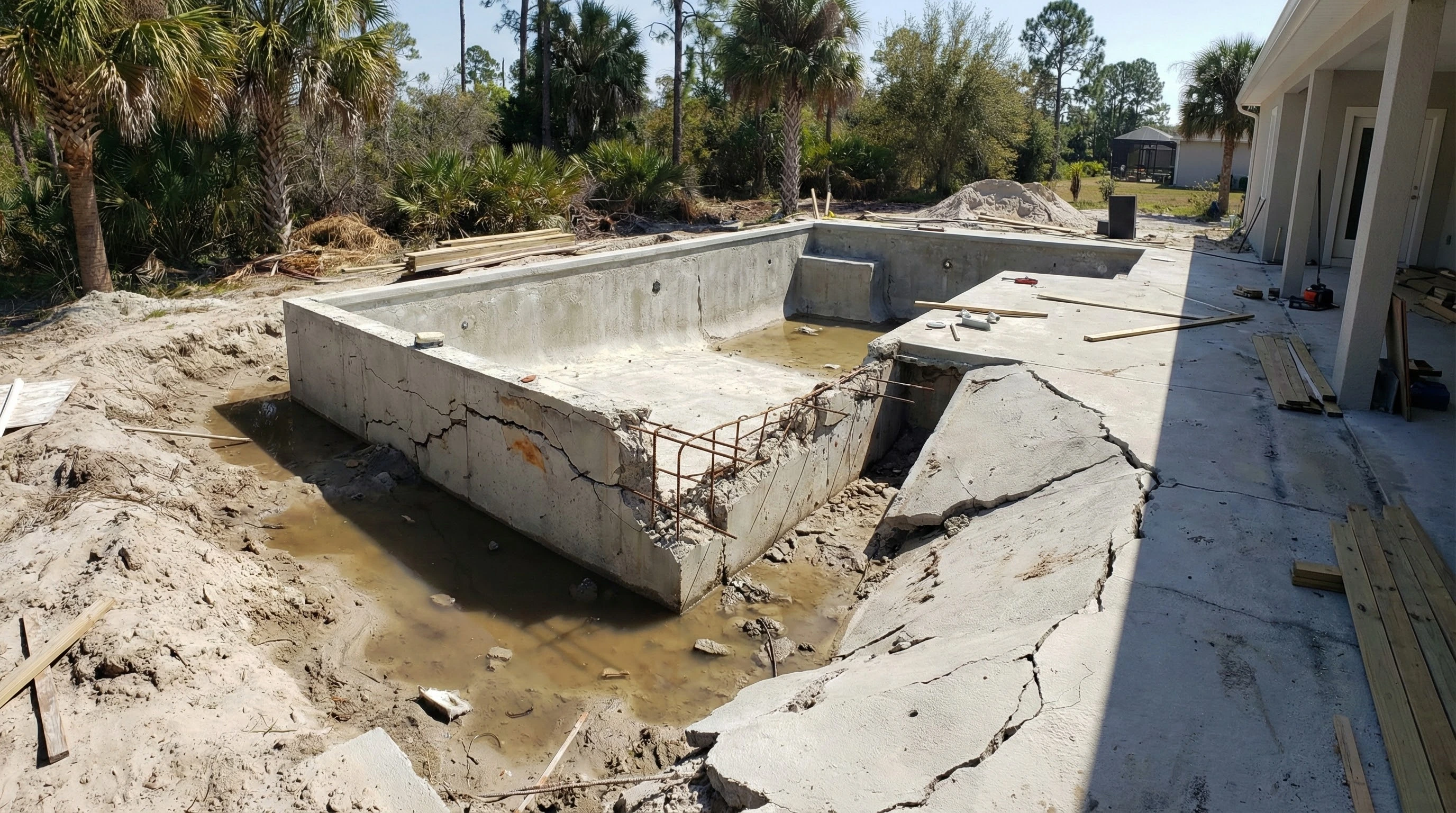
DIY resurfacing kits cost around $1K but lack professional installation quality and pool warranties. Hidden costs include a 10% contingency for leak detection or pool repair like crack repair. Factor in pool financing options and permits pools for accurate bids from pool builders.
Professional remodels ensure filtration system upgrades and salt water system conversions reduce long term maintenance costs. Compare contractor reviews and bid comparison for best value in pool renovation.
Remodel projects complete in 2-6 weeks vs 3+ months for new builds, with resurfacing taking just 5-10 days. Minimal disruption occurs as the pool stays drained only 7-14 days. This timeline suits busy homeowners planning outdoor living enhancements.
Best timing falls in spring or fall to avoid peak season premiums. Seasonal considerations like climate impact help with soil conditions or drainage systems. Project management by a pool contractor ensures smooth pool inspections and engineering plans.
Shorter timelines mean faster enjoyment of features like tanning ledge or pool lighting. Integrate hardscaping such as retaining walls during this phase for landscape integration and property enhancement.
New construction offers complete customization but 2-3x higher costs, while remodeling delivers many benefits at a lower price. Homeowners often weigh new pool construction against pool remodeling based on budget, timeline, and desired features. This side-by-side view highlights key differences for your property.
New builds allow full control over design, from infinity edges to custom pool shapes, but involve extensive excavation work and permits. Remodels, limited by the existing shell, focus on upgrades like LED lights or pool resurfacing, saving time and money. Consider your backyard space and lifestyle needs.
Construction timelines differ sharply: new inground pools take longer due to pool installation phases, while remodels wrap up faster with targeted pool renovation. Long-term, both boost property value, but factor in maintenance costs and ROI pools. Use a cost calculator to model your scenario.
Examples include adding a tanning ledge in a remodel versus a full concrete pool build. Evaluate pool financing options and contractor bids for the best fit. This comparison sets the stage for deeper insights into long-term value.
New concrete pools recoup a solid portion of costs at resale, while remodels achieve strong returns due to their lower investment base. Long-term value hinges on lifespan, upkeep, and resale value boosts from features like smart pool systems. Experts recommend focusing on durable materials for lasting appeal.
AspectNew BuildRemodelUpfront CostHigher due to full excavation work and pool materialsLower, targeting pool resurfacing or plumbing upgradesROI PotentialStrong for custom pool design with premium featuresOften higher percentage from efficient remodeling expensesAnnual MaintenanceMore for filtration systems and pool heatingLess, with options like salt water systemsLifespan Extension40+ years with quality pool builder workAdds 20 years via crack repair and finishes
Over 10 years, a new build might show steady cash flow from enhanced outdoor living, while remodels offer quicker payback through reduced construction costs. Research suggests pools add resale premiums, especially with landscape integration. Plan for pool warranties to protect your investment.
Practical steps include comparing bid comparison from contractors and assessing soil conditions for new installs. For remodels, prioritize leak detection first. Both paths create a backyard oasis, but match to your family entertainment goals and property enhancement plans.
Only 40% of homes qualify for inground pools due to slope, soil, and setback requirements. Use the 5-factor assessment below to determine if your property suits new pool construction or if pool remodeling makes more sense.
This checklist helps evaluate yard space and site conditions before committing to pool installation. It identifies issues early, saving on construction costs and delays. For example, a sloped yard might push you toward pool remodeling an existing structure instead.
Consult an engineer if red flags appear, such as unstable soil or steep slopes. These steps ensure structural integrity and support long-term value in your backyard oasis.
Spot red flags like excessive slope or poor soil to avoid costly surprises in new pool construction. Tight setbacks or utility conflicts often signal that pool remodeling is a better fit for your property.
For instance, a yard with heavy clay soil risks cracks in a vinyl liner pool over time. HOA restrictions on pool size or features can derail custom pool designs entirely.
Address these by considering above ground pools or pool renovation of an existing setup. This preserves property value without major disruptions.
Trigger an engineer consultation for complex sites during property fit assessment. Professionals review soil conditions and slopes to guide decisions on new build pools versus remodel existing ones.
Experts recommend this step for yards with drainage issues or clay soil. It ensures engineering plans support pool materials like pebble finish or natural stone coping.
In cases of steep terrain, engineers design retaining walls and drainage systems. This prevents erosion and protects your investment in pool decking or pavers.
Use this 12-point checklist to choose between new pool construction ($60K+) or pool remodeling ($25K+) with confidence. It helps you evaluate options like inground pool builds or pool renovation projects. Score each item yes (2 points) or no (0 points) for a total out of 24.
First, confirm your budget range covers construction costs for a fiberglass pool or remodeling expenses like pool resurfacing. Compare needs for pool features such as water features or LED lights. This step ensures alignment with your backyard oasis vision.
Next, gather 3+ contractor bids from licensed pool builders experienced in pool installation or pool repair. Review bids for custom pool design, excavation work, and pool materials like pebble finish. This comparison highlights value in ROI pools.
Check references for 5+ projects, focusing on pool warranties and maintenance costs. Ask about structural integrity in new build pools or crack repair in remodels. Verify timeline construction matches your schedule.
Review 3D renderings to visualize pool shape, landscape integration, or additions like spa addition. Confirm warranty details include at least 5 years on surface for concrete pool or vinyl liner pool. Secure pool financing options early.
Align project timeline with seasonal factors, like avoiding rainy seasons for pool decking. Confirm all permits pools and zoning laws are in place, including HOA rules. Factor in soil conditions for excavation work.
ScoreAction 20-24 pointsProceed confidently with top choice. 16-19 pointsRevisit weak areas, then proceed. 12-15 pointsDelay; refine budget or bids.Below 12 pointsReassess project; explore alternatives.
An 80+ point equivalent (scaled from 24) signals go-ahead for property enhancement. This system prioritizes long term value in family entertainment or lifestyle upgrade. Use it to balance aesthetic appeal and functionality pools.