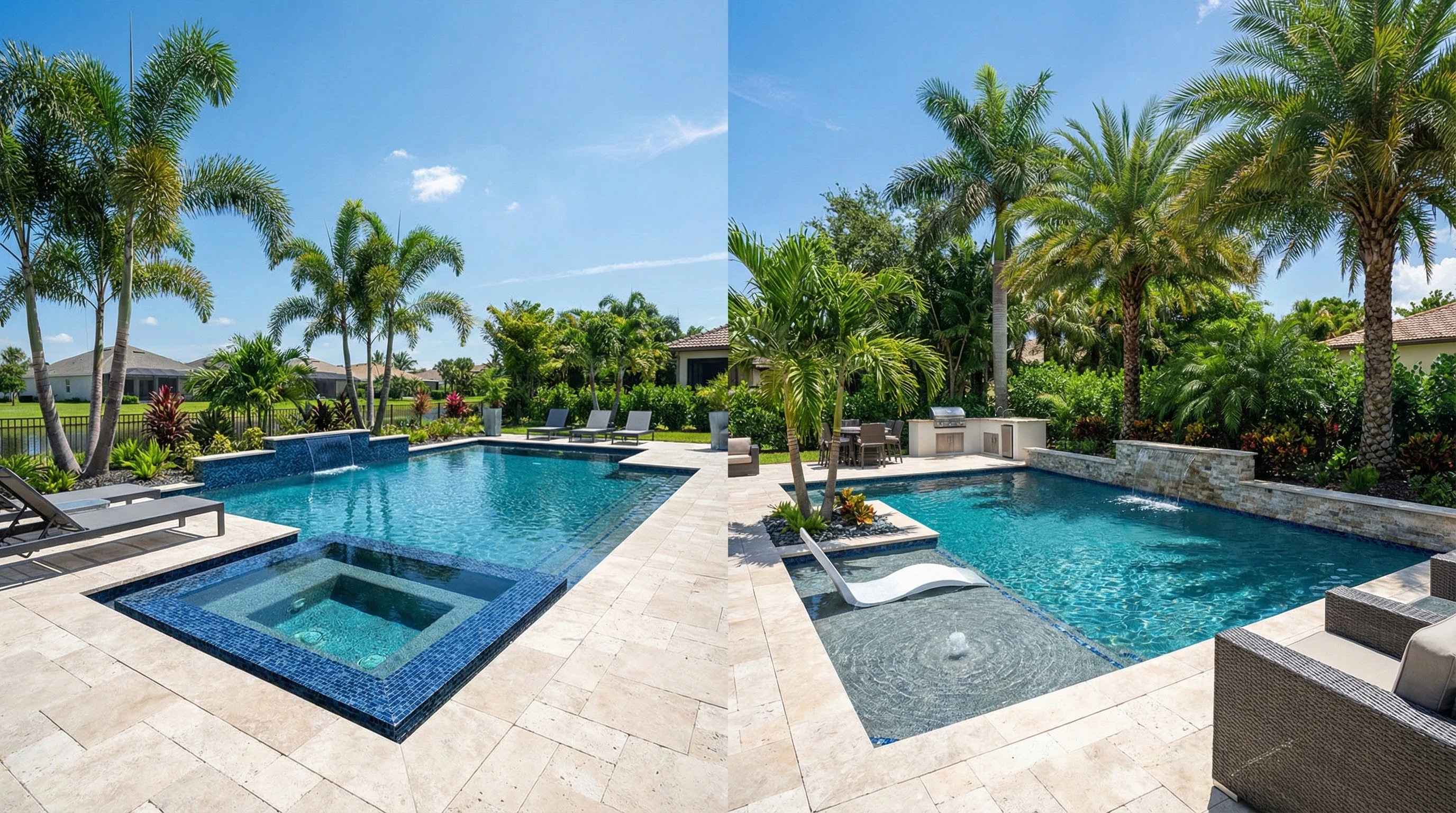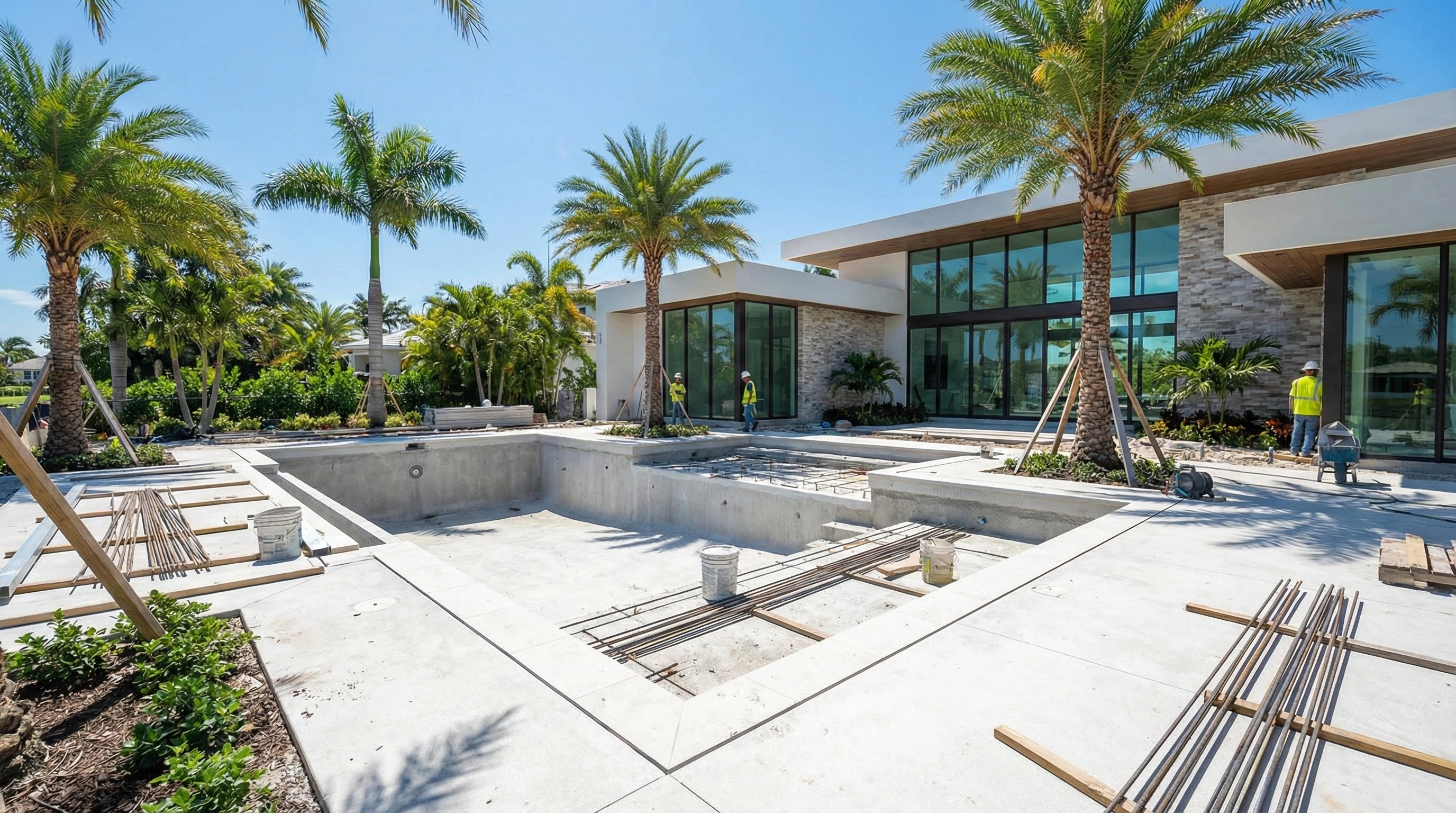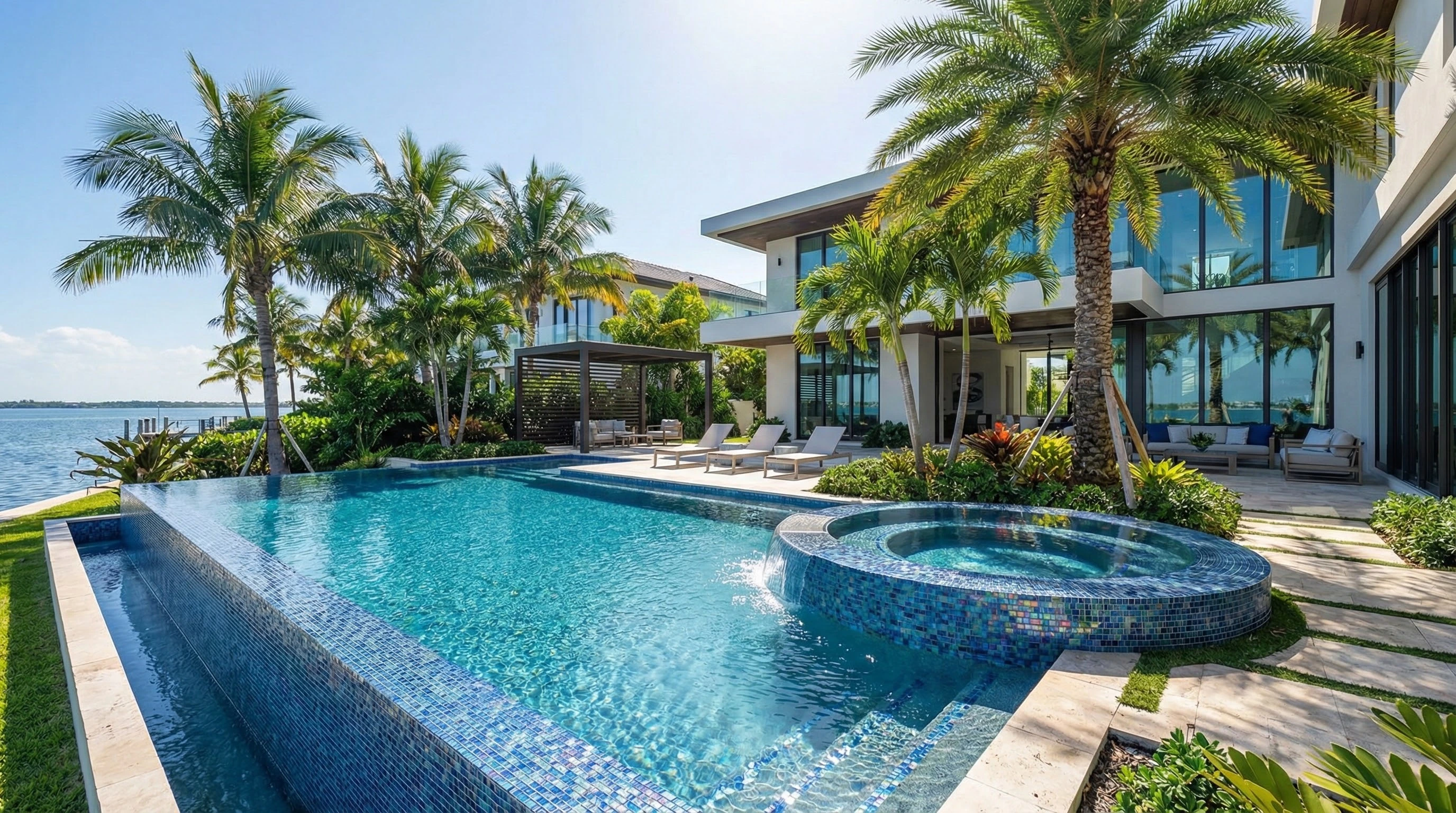
Expert guide to designing durable, stylish outdoor living spaces built for Florida’s climate and lifestyle.
Imagine transforming your Florida backyard into a year-round oasis, resilient against sweltering humidity and fierce storms. With the state's unique climate demanding smart design, this Outdoor Living Design Guide for Florida Homes equips you with expert strategies. Discover humidity-beating structures like covered lanais, saltwater pools, weatherproof kitchens, native landscaping, and ambient lighting-unlock the secrets to enduring elegance today.
Florida's subtropical climate demands outdoor designs that combat 80-95% average humidity, 90 degreesF+ summer highs, and Category 5 hurricane risks averaging 1-2 per decade per NOAA data. With abundant sunshine and heavy rainfall, Florida homes need strategies for heat, moisture, and storms. Focus on resilient materials and smart layouts for year-round outdoor living.
Humidity and intense sun call for heat-resistant materials like UV-protected fabrics and cool roof coatings. Hurricane-proofing includes impact windows and proper drainage to protect patios, lanais, and pool decks. Experts recommend permeable pavers and native plants for tropical landscaping that thrives in wet conditions.
UF/IFAS Extension studies highlight climate-resilient landscaping with drought-tolerant palms and ferns. Florida Building Code sets wind load requirements up to 170 mph in high-risk zones. These guidelines ensure lanai designs and outdoor kitchens withstand coastal weather while enhancing backyard oases.
Incorporate cross-ventilation through stacking sliders for seamless indoor-outdoor flow. Use light colors and shade sails to manage heat on poolside living spaces. This approach creates comfortable, durable outdoor living spaces tailored to Florida's unique environment.
Ceiling fans reduce perceived temperature by 8 degreesF according to DOE studies. Install 3-5 per lanai design with 52-60" blades for optimal 300-500 CFM airflow. They pair well with misting systems to cool patios during humid afternoons.
Choose teak furniture or aluminum frames with moisture-resistant fabrics for longevity. Add retractable awnings over bar areas to block direct sun. These steps support sustainable design in hot, humid Florida gardening zones.
Miami-Dade NOA-rated impact windows withstand 200 mph debris impacts. They are required for Miami-Dade/Broward counties per Florida Building Code 2023. Use them in hurricane-resistant features for lanais and stacking sliders to protect views and safety.
FEMA guidelines emphasize corrosion-resistant hardware for all installations. Pair with windbreaks like privacy hedges of native plants for added protection. These features reduce damage while maintaining resort-style backyards.
Opt for composite decking and stamped concrete in high-wind areas. Install landscape lighting with smart controls for safe navigation post-storm. This ensures durable, beautiful outdoor living spaces in Florida's stormy climate.
Screened lanais increase usable outdoor living space in Florida homes while blocking most mosquitoes. These structures create all-season comfort with covered patios and lanais as the primary choice. They provide shade, insect protection, and cooling in the subtropical climate.
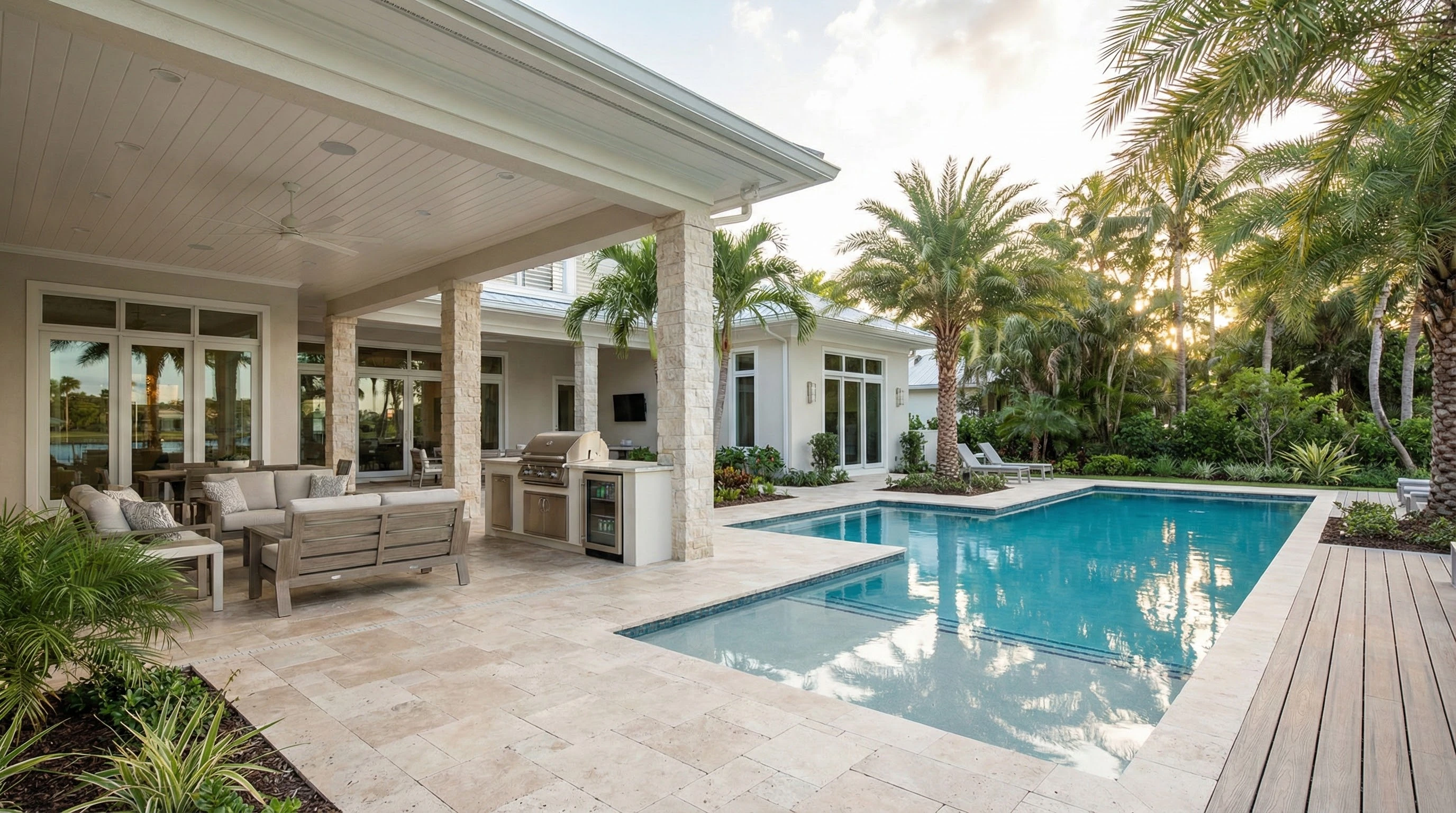
Covered designs block harmful UV rays and support poolside living or al fresco dining. Experts recommend them for hurricane-resistant features and seamless indoor-outdoor flow. Pair with tropical landscaping like palm trees and hibiscus for a resort-style backyard.
Construction focuses on durable materials such as aluminum frames and fiberglass screens. Add outdoor kitchens or fire pits to enhance functionality. Costs vary by size, but they boost property value through expanded living areas.
Incorporate ceiling fans, misting systems, and moisture-resistant fabrics for year-round use. Design with neutral palettes and turquoise accents for coastal decor. These elements turn backyards into private oases.
Fiberglass screen enclosures with 20/30 mesh withstand high winds common in Florida. A standard 14x28 lanai offers lanai design suited for family gatherings or relaxation. They integrate well with Florida architecture like ranch style homes.
Build with a solid foundation, such as a concrete slab for stability. Use aluminum frames that are powder-coated for corrosion resistance in humid conditions. Top with roofs allowing light transmission while providing UV protection.
Flooring OptionKey FeaturesBenefits for Florida HomesTravertineSlip-resistant natural stoneHeat-resistant, elegant for pool decksComposite DeckingLow-maintenance, long warrantyResists moisture and pestsStamped ConcreteAffordable, customizable patternsDurable against humidity
These enclosures often come with long-term warranties for peace of mind. Pair with privacy hedges or windbreaks for added seclusion. Include smart outdoor controls for lighting and fans to manage comfort.
Saltwater pools reduce chemical use and maintenance costs, according to Pool & Hot Tub Alliance data. These systems suit Florida homes perfectly, especially with over 1.6 million residential pools statewide. They provide softer water and better chlorine stability amid coastal corrosion concerns.
Focus on saltwater systems for your outdoor living design. An average 15x30 pool installation runs around $65K, with 75% gunite and 25% fiberglass options. Integrate them into poolside living spaces with tropical landscaping like palm trees and hibiscus.
Design pool decks using travertine tiles or stamped concrete for heat-resistant materials. Add hurricane-resistant features such as corrosion-resistant hardware around the edges. This creates a resort-style backyard with seamless indoor-outdoor flow via stacking sliders.
Pair pools with water features like fountains or infinity edges for sunset views. Screened porches or lanai designs enhance poolside living, protected by UV protection and moisture-resistant fabrics on outdoor furniture.
Pentair ScreenLogic salt chlorinators maintain 3,000 ppm salinity for 10-year equipment life. Choose models like the Pentair IntelliChlor IC40 for pools up to 40K gallons in coastal settings. These systems fit saltwater pools ideal for Florida's subtropical climate.
Follow this implementation guide for best results. Start with chlorinator selection, then install the salt cell using union fittings and a flow sensor. Automate pH/ORP with systems like AutoPilot PoolPilot to keep water chemistry at 7.2-7.6 pH and 80-120 ppm free chlorine.
A saltwater conversion costs about $15K, compared to $65K for a new build. Calculate 5-year ROI by factoring lower maintenance and chemical savings. Enhance with pool cabanas, hot tubs, and privacy hedges for a backyard oasis.
304 stainless steel withstands 1,000+ corrosion hours in salt spray tests, making it essential for coastal kitchens in Florida homes. Outdoor kitchens boost home value and create seamless indoor-outdoor flow for al fresco dining. Experts recommend marine-grade materials to prevent annual corrosion damage in humid, salty conditions.
Average layouts span 200 sq ft with L-shaped designs for efficiency around built-in grills and prep islands. Incorporate poolside living elements like serving bars and beverage centers near lanai designs or screened porches. Focus on hurricane-resistant features such as impact-rated hardware and anchored cabinetry.
Pair kitchens with dining sets under pergolas or shade sails for sunset views. Use heat-resistant materials like travertine tiles for countertops and pavers for flooring. Add tropical landscaping with palm trees and hibiscus to enhance the resort-style backyard vibe.
For pool decks, integrate outdoor bars with refrigerators and ice makers. Choose moisture-resistant fabrics for bar stools and lounge areas. This setup supports outdoor entertainment while managing Florida's subtropical climate humidity.
Blaze Professional grills (LTE 32 $2,499) feature 304 SS burners with 55,000 BTU cast brass for high-heat cooking in outdoor kitchens. These appliances handle Florida's coastal humidity and salt air. Select units with marine ratings for long-term durability near waterfront patios.
All installations require 50A GFCI electrical outlets to meet safety codes in wet zones. Position refrigerators and sinks near prep islands for efficient workflow. Use NEMA 3R enclosures to protect against rain and splashes during summer showers.
ApplianceModelPriceKey SpecsMaterialGrillBlaze LTE 32"$2,49955K BTU, 32"304 SSGrillBull LNG$3,29960K BTU, 36"316 SSRefrigeratorSummit SCR614LN/A24 NEMA 3RStainlessIce MakerManitowoc UYF-0140AN/A140lbs/dayMarine-gradePizza OvenForno BravoN/A900 degreesF, wood/gasRefractorySink/PrepGeneric MarineN/AUndermount, GFCI304 SS
Opt for 316 SS over 304 for extreme coastal exposure in Key West vibe setups. Integrate pizza ovens into bar areas for family gatherings. Pair with ceiling fans and misting systems for comfortable poolside living.
Florida native plants reduce water use compared to non-natives, according to UF/IFAS, saving on irrigation costs for Florida homes. Strategic hardscaping and landscaping manage heavy rainfall while creating resort-style aesthetics. Native selections thrive in USDA zones 10a-11 with sandy soils.
Incorporate pavers, stamped concrete, or travertine tiles for durable pool decks and patios. These materials handle humidity and provide hurricane-resistant features. Pair them with native plants for a seamless indoor-outdoor flow.
Design privacy hedges and windbreaks using evergreens to enhance lanai design and screened porches. Add permeable pavers for drainage solutions like swales and French drains. This approach supports sustainable design in the subtropical climate.
Focus on drought-tolerant plants and drip irrigation to minimize maintenance. Integrate landscape lighting with pathway lights and uplighting for evening outdoor living. These elements create a backyard oasis with tropical landscaping.
Saw palmetto (Serenoa repens) survives freezes down to -5 degreesF; its 12-15' spread creates instant privacy screening. This native excels in sandy soils and full sun for Florida gardening. Use it along property lines for windbreaks.
Experts recommend Florida Native Plant Society selections for pollinator support and low maintenance. Choose plants with high salt tolerance for coastal areas. These options fit poolside living and outdoor entertainment spaces.
PlantSizeLightWaterSalt Tol.Muhly grass3'HFull sunLowHighBeautyberry6'HPart shadeLowMediumFirebush10'HFull sunLowHighCoontie3'HPart sunLowMediumWild ageratum2'HFull sunLowHighGoldenrod5'HFull sunLowMediumSimpson's stopper15'HFull sunLowHighWax myrtle20'HFull sunLowHighFlorida anise10'HShadeMediumLowMarjorie's joy4'HPart shadeLowMediumCoral honeysuckleVineFull sunLowHighSea oats6'HFull sunLowHigh
Space palms 15' on center for mature growth without crowding. Provide about 0.5" of water per week via drip irrigation during establishment. Match selections to USDA zone maps for heat and humidity management.
Teak furniture withstands 2,000+ hours UV exposure, making Grade A Indonesian teak ideal for Florida homes. A $2,500 7-piece dining set offers natural oils that resist humidity and salt air. Experts recommend it for poolside living and lanai designs.
Choose outdoor furniture with salt spray resistance ratings like ASTM B117 for coastal areas. This ensures pieces endure Florida's subtropical climate and ocean breezes. Pair with heat-resistant materials for year-round comfort.
UV protection and moisture-resistant fabrics prevent fading in intense sun. Layouts should fit your space, from al fresco dining to lounge areas. Consider hurricane-resistant features for secure storage during storms.
Popular options include pool loungers, daybeds, and bar stools that blend with tropical landscaping. These create a resort-style backyard with seamless indoor-outdoor flow. Focus on durable, low-maintenance choices for easy upkeep.
MaterialPrice ExampleUV RatingWarrantyMaintenanceAluminum$45/chair10yr15yrRinseTeak$2,500/7pc set2,000+ hrs5-10yrOil annuallySunbrella Fabric$50/yd15yr fade10yrHose offHDPE Wicker$300/chairUV50+20yrWipe downSling (Textilene)$40/sqft90% block10yrBrush lightlyStainless Steel$60/stoolHigh15yrWipe with cloth
Create a 10-seat dining area with a 120-inch table centered on your patio. Surround it with teak chairs and a built-in grill nearby for outdoor kitchens. This setup suits family gatherings under pergolas or shade sails.
For poolside living, arrange 8 loungers in two rows along the deck. Add HDPE wicker daybeds with Sunbrella cushions for comfort. Incorporate string lights for evening sunset views.
Design a lanai conversation pit with sling-fabric sofas facing a fire pit. Include bar stools at a serving bar for drinks. This fosters relaxation amid hibiscus and palm trees.
Build a waterfront patio with a hammock nook and reading chairs. Use aluminum frames for corrosion resistance near saltwater pools. Position for cross-ventilation and privacy hedges.
Sunbrella fabrics offer a 15-year fade warranty, perfect for Florida's sun. They repel water and resist mold in humid conditions. Select for cushions on pool loungers and dining sets.
HDPE wicker provides UV50+ protection without splintering. It's lightweight for easy rearrangement in courtyard designs. Pair with aluminum frames for coastal decor.
Sling fabrics like Textilene block 90% of UV rays and dry quickly after rain. Ideal for bohemian lanai or modern tropical styles. Rinse regularly to maintain breathability.
Opt for weatherproof cushions with moisture-resistant fills. Store during hurricanes using corrosion-resistant hardware. These choices enhance outdoor entertainment spaces.
Kichler LED landscape lights (310lm, 12W) provide 50,000hr life at 80% less energy than halogens. These fixtures suit Florida homes by resisting humidity and salt air. They create a welcoming glow for outdoor living spaces.
Build a layered lighting plan to enhance patio design and poolside living. Start with uplighting for palms using three 12W units each. Add pathway lights, string lights, and smart controls for full coverage.
Maintain 5-10 fc on paths for safety during evening walks. Choose 2700K color temps for ambient warmth that mimics sunset views. Ensure IP65 ratings to handle subtropical climate rains.
Smart controls like Lutron Casta with WiFi and geofencing enable sunset-to-sunrise automation. This approach saves substantial energy compared to manual operation. Integrate with tropical landscaping for a resort-style backyard feel.
Create depth in landscape lighting through four key layers. Uplighting accents palm trees with three 12W spots per tree, highlighting tropical features. This draws the eye upward in lanai design.
Pathway lights use 24 recessed 2W bollards for safe navigation on pool decks. String lights feature caf-style LEDs at 1W per 2ft, perfect for al fresco dining areas. These elements foster seamless indoor-outdoor flow.
Smart controls tie it together with Lutron Casta systems. Geofencing activates lights as you approach home, ideal for waterfront patios. Automation supports sustainable design in Florida's long evenings.
Aim for 5-10 fc on pathways to ensure clear footing around outdoor kitchens and fire pits. Uplights deliver focused beams for drama on hibiscus and bougainvillea. Balance overall output for even illumination.
Select 2700K color temps for cozy ambient light that complements coastal decor. Warmer tones enhance relaxation in screened porches and pool cabanas. Cooler options work for task areas like bar counters.
IP65 ratings protect against moisture in humid conditions. Test lumen levels during install to match your backyard oasis scale. This precision elevates modern tropical or Key West vibe spaces.
Lutron Casta offers WiFi and geofencing for effortless management. Lights turn on at sunset and off at sunrise automatically. Pair with voice assistants for hands-free control during outdoor entertainment.
Energy-efficient lighting cuts costs in Florida's subtropical climate. Dimmable options adjust for mood, from lively gatherings to quiet reading nooks. Integrate with ceiling fans for full ambiance control.
Sunset automation optimizes runtime without waste. Experts recommend scheduling based on local sunrise data. This setup enhances safety and convenience in hurricane-prone areas with reliable performance.